
- All
- Product Name
- Product Keyword
- Product Model
- Product Summary
- Product Description
- Multi Field Search
Views: 0 Author: Site Editor Publish Time: 2026-07-27 Origin: Site


TL;DR:
A fire proof window is a certified glazing system engineered to contain fire, heat, and smoke for a defined period—typically rated at EI30, EI60, EI90, or EI120 minutes. These windows are mandated in commercial, industrial, and high-rise residential buildings. Selecting products backed by verified certifications, such as those manufactured by Heshan Hengbao, is the most reliable way to ensure both code compliance and genuine protection.
Every year, structural fires expose a costly flaw in building design: windows that fail far too soon. Standard glazing shatters within minutes of intense heat exposure, turning what should be a barrier into an opening for flames and toxic smoke. The consequences—both human and financial—can be severe.
A properly specified fire proof window changes that outcome. It buys time. Time for occupants to evacuate. Time for emergency responders to act. Time for the fire to be contained before it spreads laterally across a floor plan. For architects, developers, and building managers, understanding how these systems work—and how to choose the right one—is not optional. It's a fundamental part of responsible construction.
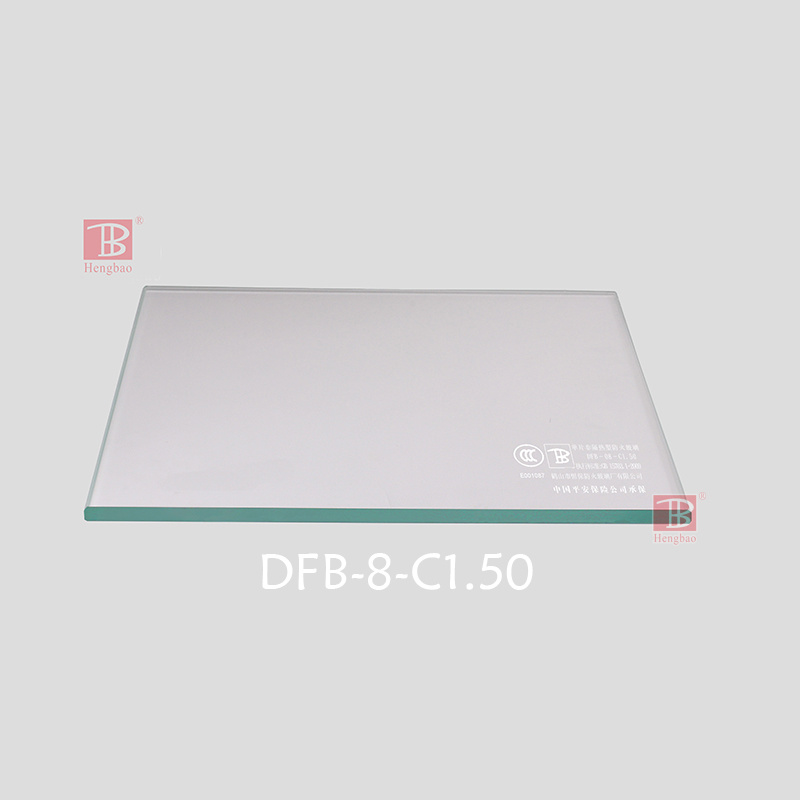
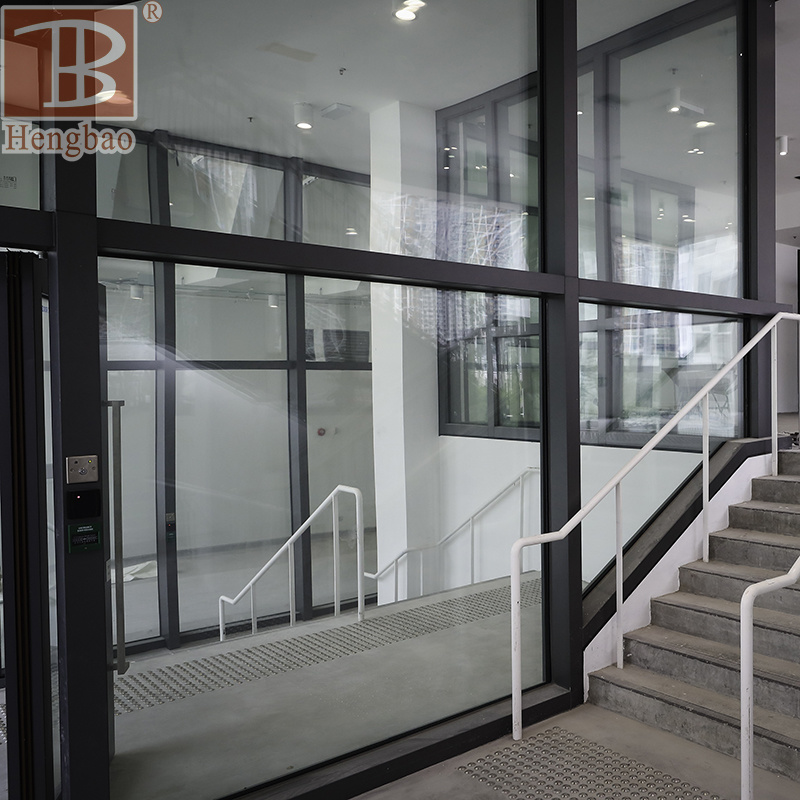
Not all fire-resistant glazing is created equal. A fire-rated window is not simply thick glass in a robust frame. It is a complete, tested system—glass, frame, seals, and hardware—evaluated together under controlled fire exposure conditions. The window must maintain its structural integrity, prevent the passage of flames, and limit heat transfer to the unexposed side for its rated duration.
Fire resistance ratings are expressed using two performance criteria:
E (Integrity): The window prevents flames and hot gases from passing through for the rated time.
I (Insulation): The window also limits heat transfer to the unexposed side, keeping surface temperatures below a defined threshold.
A window rated EI meets both criteria. One rated only E provides integrity without insulation—meaning the non-fire side can still become dangerously hot, even if flames are blocked.


Rating | Duration | Typical Application |
|---|---|---|
EI30 | 30 minutes | Interior partitions, low-rise corridor walls |
EI60 | 60 minutes | Stairwells, mid-rise commercial floors |
EI90 | 90 minutes | High-rise facades, fire compartment boundaries |
EI120 | 120 minutes | Industrial facilities, critical escape routes |
The right rating depends on the building type, occupancy classification, and the specific fire compartmentation requirements set by local building codes.
Building regulations in most countries mandate fire-rated glazing in areas where fire compartmentation is critical. These typically include:
Corridor and stairwell walls — to maintain escape routes free from smoke and flames
Fire doors with glazed panels — requiring both the glass and frame to meet the same rating
Facades in close proximity to property boundaries — to prevent fire from spreading between buildings
Atriums and open floor plans — where glazed partitions separate occupancy zones
In the European Union, fire resistance classifications follow EN 13501-2. In China, the GB 15763 standard governs fire-resistant glass performance. Projects with international scope often require compliance with multiple standards simultaneously, which makes sourcing from a manufacturer with broad certification coverage especially important.
Frame material plays a significant role in overall system performance. Steel offers a key structural advantage: it retains load-bearing capacity at higher temperatures for longer periods than aluminum, which begins to deform at relatively moderate heat.
Steel fire rated windows are the preferred choice in applications requiring extended ratings (EI90 and above), facades exposed to direct fire risk, and heritage or industrial projects where thinner sightlines with maximum strength are required. Steel frames also allow for larger glazed panels without compromising the fire rating, making them attractive for design-conscious commercial and institutional projects.
Aluminum systems, by contrast, tend to be lighter and easier to work with during installation. They perform well in lower-rated applications but generally require more robust thermal breaks and frame reinforcement to achieve higher EI ratings.
For projects where both performance and aesthetics are priorities—hotels, corporate headquarters, hospitals—steel frames paired with certified fire-rated glass represent the more dependable solution.
Selecting a fire-rated window system involves more than matching a rating to a building code requirement. The following criteria matter:
Third-party certification: Look for CCCF (China Compulsory Certification for Fire Protection), CE marking, or equivalent national approvals. A certificate number should be traceable and verifiable.
Full-system testing: The glass and frame must have been tested as a complete unit—not separately. A certified glass panel placed into an uncertified frame does not produce a certified system.
Customization capability: Fire-rated windows often need to fit non-standard openings. Manufacturers offering OEM and ODM services can accommodate custom sizes, colors, and configurations without voiding certification.
Track record and volume: Manufacturers with large-scale production experience are more likely to maintain consistent quality across batches.
Heshan Hengbao Fire Resistant Glass Factory Co., Ltd. has specialized in fire-resistant glass products for over 28 years. Based in Jiangmen, Guangdong Province—strategically located near Hong Kong, Guangzhou, and Shenzhen—Hengbao operates from a modern industrial facility covering more than 65,000 square meters.
As of April 2025, the company holds 74 national CCCF main product certificates, over 270 test reports, and 88 registered patents across fire-resistant glass, doors, and windows. Hengbao has also been recognized as one of China's top-ten fire-proof glass enterprises and participated in the revision of China's national fire-proof glass standards.
For specifiers seeking certified ei30 glass and higher-rated solutions, Hengbao's product range spans single-layer fire-resistant glass, FPOS multi-layer fire-resistant glass, fire-rated windows, doors, partitions, floors, and skylights. All products support full customization in size, quantity, color, and material.
Tempered glass is designed for impact resistance and safety breakage—it shatters into small, blunt fragments. A fire proof window, by contrast, is engineered specifically to resist heat, flames, and smoke penetration for a rated time period. The two serve entirely different safety functions and are not interchangeable.
The minimum required rating depends on the building type and the specific fire zone. EI30 (30 minutes) is the most common baseline for interior partitions, while EI60 to EI120 is required for higher-risk zones such as stairwells, facades near property boundaries, and industrial fire compartments.
Yes. Certain fire-rated glazing systems are certified for exterior facade use, particularly in situations where buildings are close to adjacent structures or property lines. Steel-framed systems with appropriate ratings are generally specified for these applications.
Significantly. The frame, glass, seals, and hardware must all be tested as a unified system. Steel frames generally support higher fire ratings and larger panel sizes than aluminum, though both can achieve EI30 in appropriate configurations.
Request the specific certificate number and confirm it with the issuing authority (e.g., CCCF in China, or the relevant national body in your region). Reputable manufacturers such as Hengbao maintain up-to-date, traceable certification documentation for all product categories.


