
- All
- Product Name
- Product Keyword
- Product Model
- Product Summary
- Product Description
- Multi Field Search
Views: 0 Author: Site Editor Publish Time: 2026-06-10 Origin: Site


TL;DR:
Fire safety glass is a specialized glazing material engineered to contain fire, block radiant heat, and limit smoke spread for a defined period. Used in walls, windows, doors, and partitions, it plays a central role in modern building fire protection. Choosing the right type depends on the application, fire rating required, and structural design.
When a fire breaks out inside a building, the difference between containment and catastrophe often comes down to the materials surrounding the occupants. Concrete and steel get most of the attention—but glass? Far less so. That's a problem, because glass is one of the most common building materials in modern architecture, and ordinary glass fails almost immediately under fire conditions.
Fire safety glass solves this. Specially engineered to withstand high temperatures and thermal shock, it allows buildings to stay transparent and open in design while still meeting rigorous fire protection standards. Architects, developers, and safety engineers rely on it for everything from hospital corridors to high-rise commercial towers.
This guide explains what fire safety glass is, how different types compare, where it's used, and what to look for when specifying it.


Standard float glass shatters within minutes of fire exposure. Fire rated glass, by contrast, is manufactured through specific processes—ceramic composition, tempering, lamination, or intumescent interlayer technology—that allow it to maintain structural integrity under sustained heat.
The key performance criterion is the fire resistance rating, expressed in minutes: 30, 60, 90, or 120. This figure represents the duration the glass is tested to withstand fire exposure without failing in one or more of the following categories:
Integrity (E): Prevents flames and hot gases from passing through
Insulation (EI): Limits heat transmission to the unexposed side
Radiation control (EW): Reduces radiant heat transfer
Not all fire rated glass provides all three. Understanding which level of protection an application requires is the first step in selecting the right product.
The market offers several distinct product categories, each suited to different performance needs and architectural constraints.
Glass Type | Fire Rating | Insulation | Typical Use |
Single-layer ceramic glass | E (integrity only) | No | Internal glazed partitions |
FPOS composite glass | EI (integrity + insulation) | Yes | High-risk fire zones |
Tempered fire glass | E | No | Low-risk areas, decorative use |
Laminated fire glass | EI / EW | Partial | Doors, façades |
Wired glass | E | No | Legacy installations |
Single-layer ceramic glass—such as the type Hengbao's Single Layer Fire Rated Glass line is built around—offers cost-effective integrity protection in non-load-bearing partitions. For applications requiring full insulation (blocking radiant heat as well as flames), composite products like FPOS glass are the more appropriate choice.
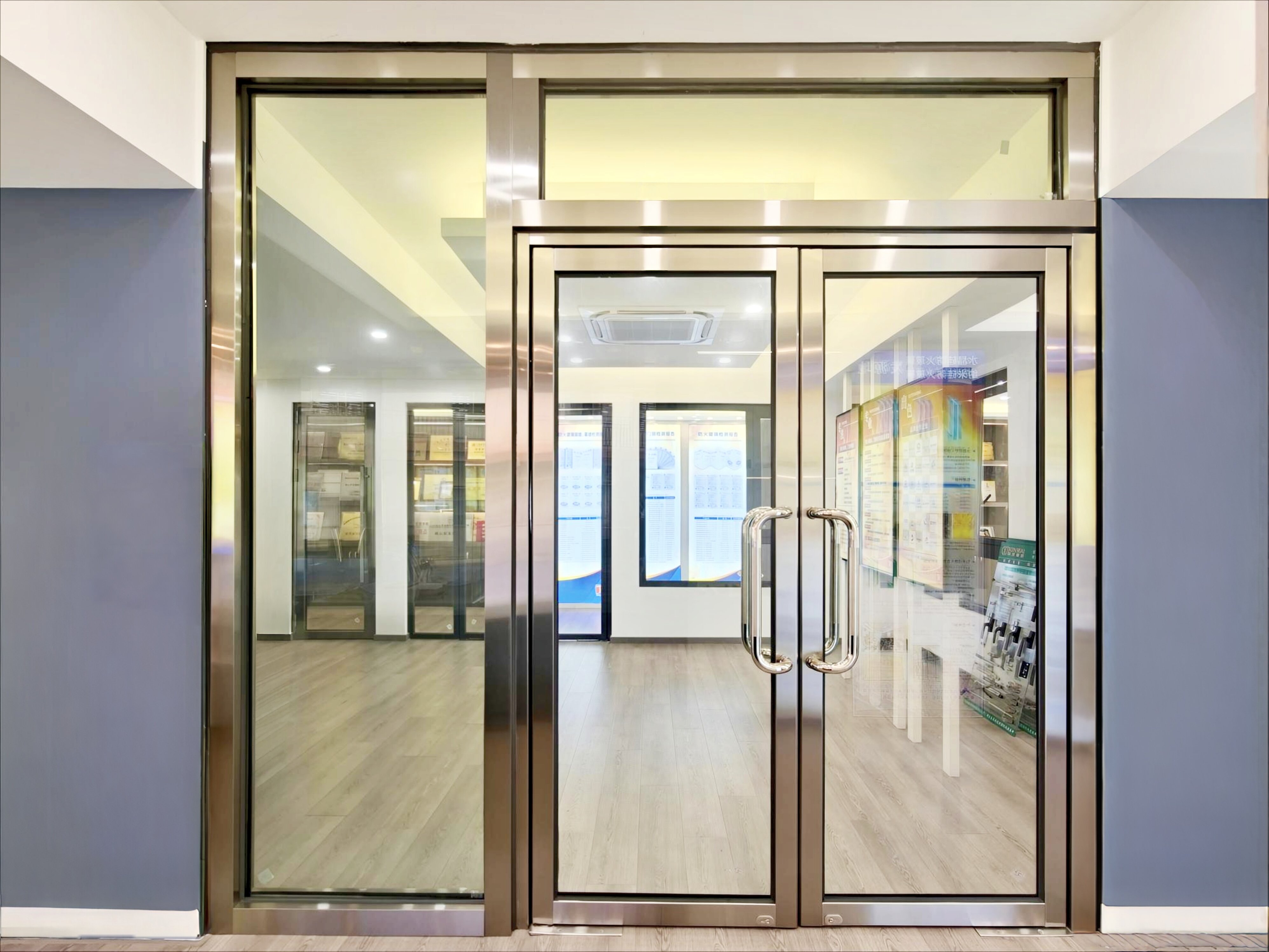

Fire safety glass appears in a wide range of building elements. Each application demands a specific performance tier.
Open-plan offices, atriums, and corridors often use glazed partitions to create visual transparency without sacrificing fire compartmentalization. A well-specified fire rated wall system can divide a floor into separate fire compartments while maintaining the appearance of an uninterrupted open space. This is particularly important in commercial developments where natural light and sightlines are design priorities.
Fire rated glazing doors combine the visibility of glass with the protection of a rated door assembly. They're commonly used in stairwells, corridors, and building lobbies—areas where people need to see through a door to evacuate safely while the door itself holds back fire and smoke.
A fire resistant window serves a dual role: it limits internal fire spread between compartments and reduces external fire exposure from neighboring structures. In urban environments with dense building footprints, this external fire exposure risk—known as "exposure fire"—is a real and underregulated hazard.
Less common but growing in use, fire rated flooring glass and skylights allow natural light into lower levels of a building while meeting compartmentalization requirements. These products must handle both thermal stress and mechanical load—a demanding combination that requires heavy composite construction.
Specifying fire safety glass isn't simply a matter of choosing the highest-rated product available. Several practical factors shape the decision.
Certification. Any fire safety glass used in a building project should carry nationally or internationally recognized certifications—CCCF in China, CE marking in Europe, UL listings in North America. Hengbao, for example, holds 74 national CCCF main product certificates and over 270 test reports as of 2025.
System compatibility. Glass performance in a fire test is always system-specific. The frame, sealant, hardware, and installation method all affect the rated assembly. A glass panel that passes testing in one frame configuration may not perform the same way in another.
Thickness and weight. Fire rated glass—particularly composite insulating types—tends to be significantly thicker and heavier than standard glazing. This affects structural framing requirements, hardware specifications, and transportation logistics.
Transparency and aesthetics. Some fire safety glass products have a faint tint or visible interlayer structure. For high-design projects where visual clarity is paramount, it's worth confirming optical properties before specifying.
Fire resistance ratings come from standardized furnace tests conducted by accredited laboratories. During testing, a full-scale assembly is exposed to a controlled fire following a standard temperature-time curve (such as ISO 834 or ASTM E119). Inspectors monitor the unexposed side for flame breakthrough, temperature rise, and structural failure.
The resulting certificate applies to the tested configuration only. Any deviation—different frame material, different sealant, modified installation method—may invalidate the rating. This is why project architects and contractors should always verify that the installed system matches the certified assembly precisely.
Fire safety glass is a category of glass specifically manufactured to resist fire exposure for a defined period—typically 30 to 120 minutes. Standard glass shatters quickly under thermal shock. Fire safety glass is engineered through ceramic composition, lamination, or intumescent interlayers to maintain structural integrity, block flames, and in some cases, limit heat transmission.
These classifications describe a product's performance in fire testing. "E" (integrity) means the glass prevents flames and hot gases from passing through. "EI" (integrity plus insulation) also limits heat transfer to the unexposed side. "EW" (integrity plus radiation control) reduces radiant heat without necessarily meeting full insulation criteria.
Standard ratings are 30, 60, 90, and 120 minutes. The rating refers specifically to the tested assembly under standardized laboratory conditions—not an absolute guarantee of performance in every real-world fire scenario. Higher ratings are achieved through thicker composite constructions.
Yes, significantly. The manufacturing process—ceramic firing, intumescent lamination, or composite construction—adds considerable cost. However, fire safety glass enables glazed building designs that would otherwise require opaque fire-rated walls, often delivering savings in natural lighting and overall design flexibility.
Yes. Certain fire rated glass products are designed for exterior use and rated to resist exposure fire from neighboring buildings. Frame selection and installation detailing are critical for exterior applications, and products must carry certification for the specific configuration used.


