
- All
- Product Name
- Product Keyword
- Product Model
- Product Summary
- Product Description
- Multi Field Search
Views: 0 Author: Site Editor Publish Time: 2026-07-03 Origin: Site


TL;DR:
Flame resistant glass is a specialized glazing material engineered to prevent fire spread, block toxic smoke, and protect building occupants for defined periods—typically 30, 60, or 120 minutes. Modern solutions like insulating fire-rated glazing and hybrid smoke control systems deliver both life-safety performance and design flexibility, making them a cornerstone of compliant commercial construction.
Glass is not something most people associate with fire protection. It shatters under heat. It's transparent, fragile, and hardly what comes to mind when you think of a firewall. Yet specialized glazing has become one of the most critical safety materials in modern architecture—and the gap between standard glass and properly rated fire protection glazing is enormous.
For architects, contractors, and building owners navigating fire codes, understanding that gap is not optional. It directly affects occupant safety, insurance liability, and regulatory approval. This guide breaks down how fire-protective glazing systems work, what separates different product types, and how to select the right solution for your project.
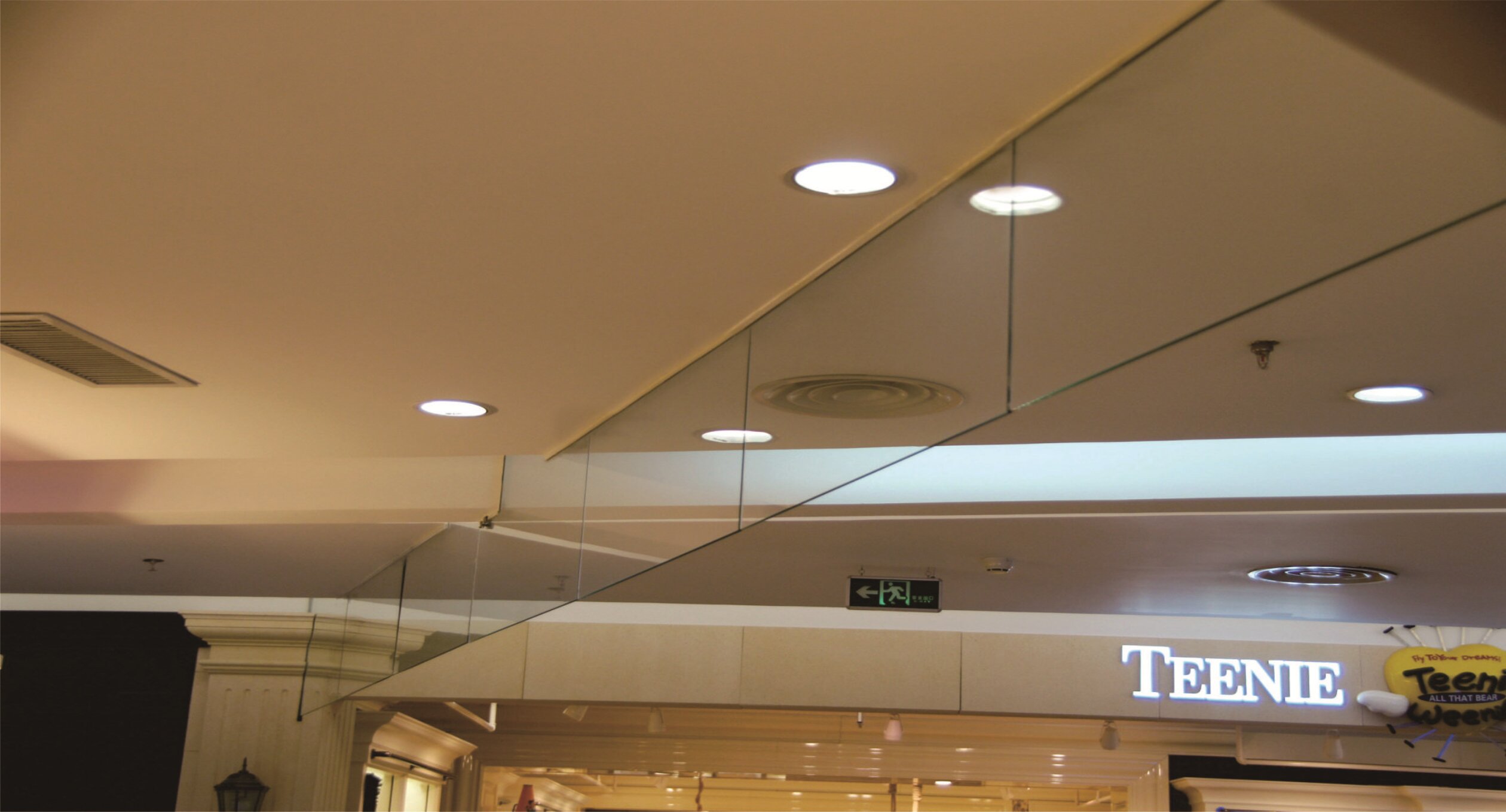
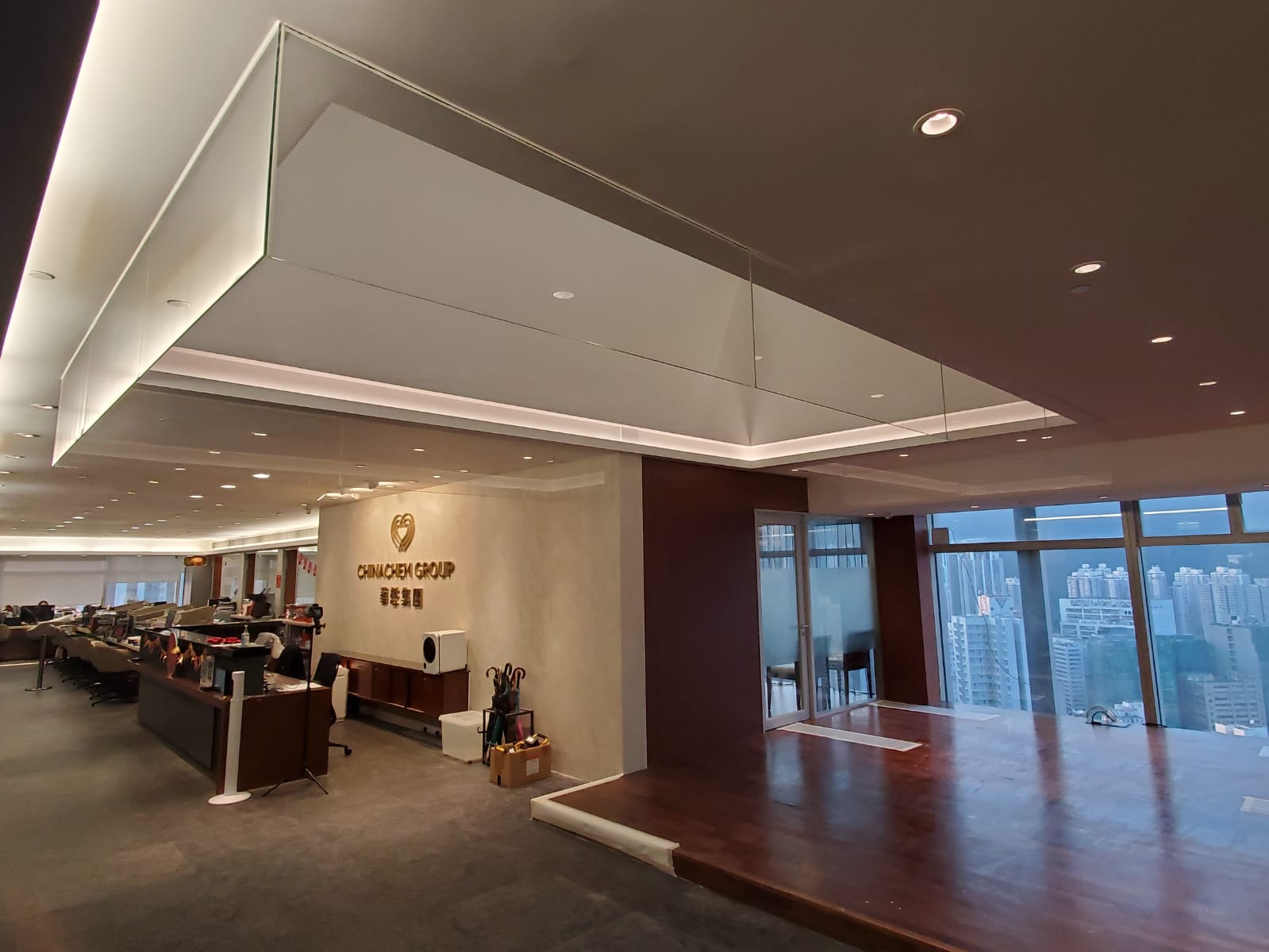
Standard float glass fails quickly under fire exposure. When temperatures climb above 120°C, thermal stress causes spontaneous breakage—often within minutes. Once glass fails, a fire compartment is compromised. Flames, heat, and toxic gases flow freely through the opening.
Flame resistant glass solves this through a fundamentally different construction. Rather than relying on a single pane, fire-rated glazing uses multi-layer systems—typically laminated or interlayer-based structures—that maintain integrity under sustained flame exposure. Some products use a transparent intumescent interlayer that expands and turns opaque when exposed to heat, blocking radiant energy from passing through.
The result: a glazing product that holds its position in the frame, prevents flame passage, and—depending on the rating class—can also limit the amount of heat radiating to the unexposed side. This distinction matters enormously for open-plan offices, hospital corridors, stairwells, and any space where people need a clear evacuation path.
Containing a fire is only half the problem. Smoke inhalation causes the majority of fire-related fatalities—far more than direct flame contact. This is why modern fire safety codes treat smoke control as a separate, equally important engineering requirement.
A properly designed fire and smoke barrier serves a dual function: it stops flames from spreading between compartments and prevents smoke migration through gaps, joints, and facade penetrations. In glazed facades and interior partitions, this typically means combining fire-rated glass panels with smoke-sealed framing systems and appropriate door seals.
Building codes in most major markets—including those referencing ISO 834, EN 13501, or NFPA standards—require that barriers be tested and certified for both fire resistance (integrity and insulation) and smoke tightness. Specifying one without the other creates a compliance gap that can void a fire safety certificate.
Hengbao's smoke barrier product line is designed precisely for this challenge. Backed by over 270 test reports and 74 national CCCF main product certificates, Hengbao's systems have been validated to meet combined fire and smoke resistance requirements—giving project teams a single-source solution rather than a patchwork of separate components.
Selecting the right product depends on the application, required fire rating, and whether radiant heat control is needed. The table below outlines the most common glazing types and their typical performance characteristics.
Glazing Type | Fire Integrity | Insulation (Radiant Heat) | Smoke Control | Typical Applications |
|---|---|---|---|---|
Single Layer Fire Rated Glass | ✓ (E class) | ✗ | Limited | Low-risk interior partitions |
Multi-layer Insulating Fire Glass | ✓ (EI class) | ✓ | Limited | Corridors, stairwells, facades |
FPOS Fire Resistant Glass | ✓ (EI class) | ✓ | ✓ (with frame) | High-rise, healthcare, transit hubs |
Smoke Barrier Glazing | Partial | ✗ | ✓ | Smoke lobbies, hotel corridors |
Tempered Safety Glass | ✗ (standard) | ✗ | ✗ | Non-fire zones |
Key takeaway: E-class glass prevents flame and gas passage but does not limit radiant heat. EI-class glass does both. For projects where people may be present near the unexposed side of the glazing, an EI rating is the appropriate specification.


Tempered glass is widely used in construction for its mechanical strength and safe breakage pattern. Under normal conditions, it shatters into small, blunt fragments rather than sharp shards. This makes it the default choice for shower enclosures, storefronts, and balustrades.
However, standard tempered glass provides no fire rating. Under direct flame exposure, it fails rapidly—typically within five to ten minutes. This is a critical distinction that architects and specifiers must communicate clearly to procurement teams.
For applications requiring both mechanical durability and fire performance, fire rated tempered glass combines the structural benefits of tempering with fire-resistant interlayer technology. The result is a product that withstands impact loads under normal conditions while maintaining fire integrity ratings when tested to applicable standards. It is particularly suited to fire-rated doors, low-level glazing, and flooring applications where impact resistance is a concurrent requirement.
A fire-rated glazing product is only as reliable as its certification. Tested and certified products carry documentation that specifies exactly how they performed—under which standard, in which frame system, at which thickness, and for how long.
Hengbao has spent 28 years building a certification portfolio that supports this level of specificity. The company holds 74 national CCCF main product certificates, ISO 9001 and ISO 14001 system certifications, and has participated in revising China's national fire-resistant glass standard—a distinction reserved for manufacturers at the technical frontier of the industry.
This matters practically. When a project undergoes fire safety inspections or insurance review, certified documentation from the glazing supplier becomes part of the compliance file. Products sourced without matching test evidence—regardless of apparent quality—create risk that cannot be offset by price savings.
Hengbao's 65,000+ square meter production facility in Jiangmen, Guangdong, supports full OEM and ODM customization. Size, thickness, color, and frame integration can all be configured to project specifications without requiring a change to the underlying certified product system.
Fire-rated glazing decisions carry consequences that outlast the construction phase. A product that passes code review today must perform reliably for the life of the building. That means choosing a manufacturer with the testing history, production capacity, and technical support to back every specification.
For project teams who need certified performance, design flexibility, and a supplier with a documented track record, Hengbao provides the depth of product range and certification coverage to meet those requirements. Contact Hengbao's technical team at ritachan@hbglass.net to request product documentation or discuss project-specific requirements.
What is the difference between E-class and EI-class fire resistant glass?
E-class glass (integrity only) prevents flames and hot gases from passing through but does not limit radiant heat transfer. EI-class glass (integrity and insulation) also limits the temperature rise on the unexposed face. EI-class is required where occupants may be present near the glass during a fire event.
How long can flame resistant glass hold up in a fire?
Fire-rated glazing is tested and certified in time increments—typically 30, 60, 90, or 120 minutes. The rating reflects how long the product maintains its performance criteria under standardized fire exposure conditions. The right rating depends on the building's fire compartmentation design.
Is fire rated glass suitable for exterior facades?
Yes. Certain fire-rated glazing systems are engineered specifically for curtain wall and facade applications. These products must be tested in the framing system as an assembly, not just as standalone glass, because frame performance directly affects overall fire resistance.
Can fire-rated glazing also provide acoustic or thermal insulation?
Many fire-rated insulating glass units (IGUs) offer secondary performance benefits, including sound reduction and thermal insulation. However, these properties must be independently tested and certified—fire rating alone does not guarantee acoustic or thermal performance.
What certifications should I look for when specifying fire resistant glass?
Key certifications include CCCF (China), CE marking with EN 13501-2 (Europe), and UL listings (North America). Always request the full test report, not just a certificate number, and confirm that the certified system matches your specified glass thickness, dimensions, and framing configuration.


