
- All
- Product Name
- Product Keyword
- Product Model
- Product Summary
- Product Description
- Multi Field Search
Views: 0 Author: Site Editor Publish Time: 2026-06-24 Origin: Site


Quick answer:
Borosilicate glass is a heat-resistant glass made with boron trioxide, giving it a very low thermal expansion rate. This lets it withstand sudden temperature changes and high heat without cracking. In construction, it forms the core of many fire-rated glazing systems, making it a top choice for fire doors, windows, and partitions that need to hold back flames and smoke.
When fire breaks out, ordinary window glass shatters within minutes. That single failure can let flames and smoke race through a building, cutting off escape routes and feeding the blaze with fresh oxygen. The material standing between a contained fire and a disaster is often borosilicate glass—a specialized product engineered to take the heat.
This guide explains what borosilicate glass is, why it performs so well under extreme conditions, and how it fits into modern building safety. You'll also see how manufacturers like Heshan Hengbao Fire Resistant Glass Factory, with 28 years of production experience, turn this material into certified fire protection systems. By the end, you'll understand which glass to specify for your next project and why it matters.
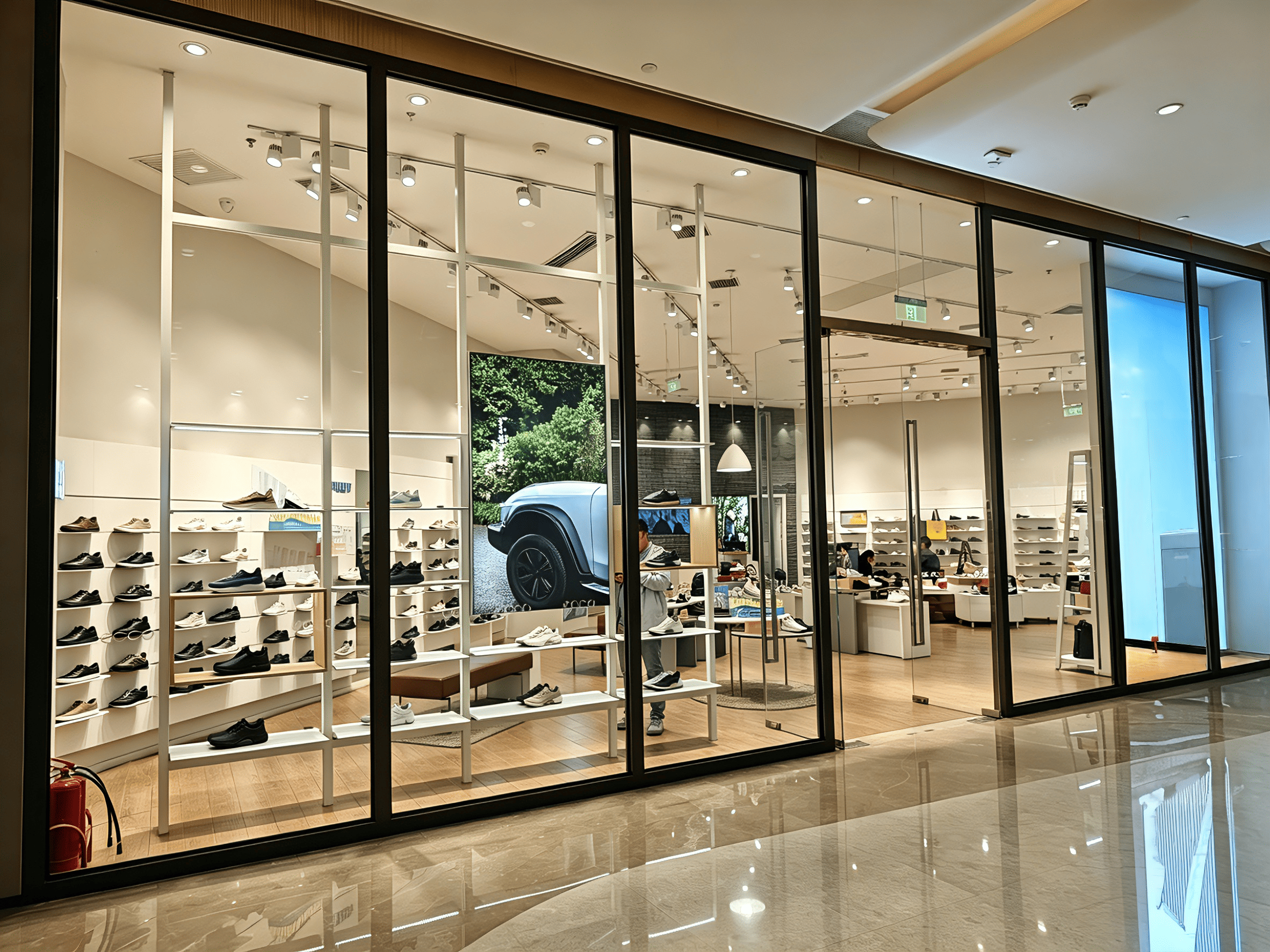
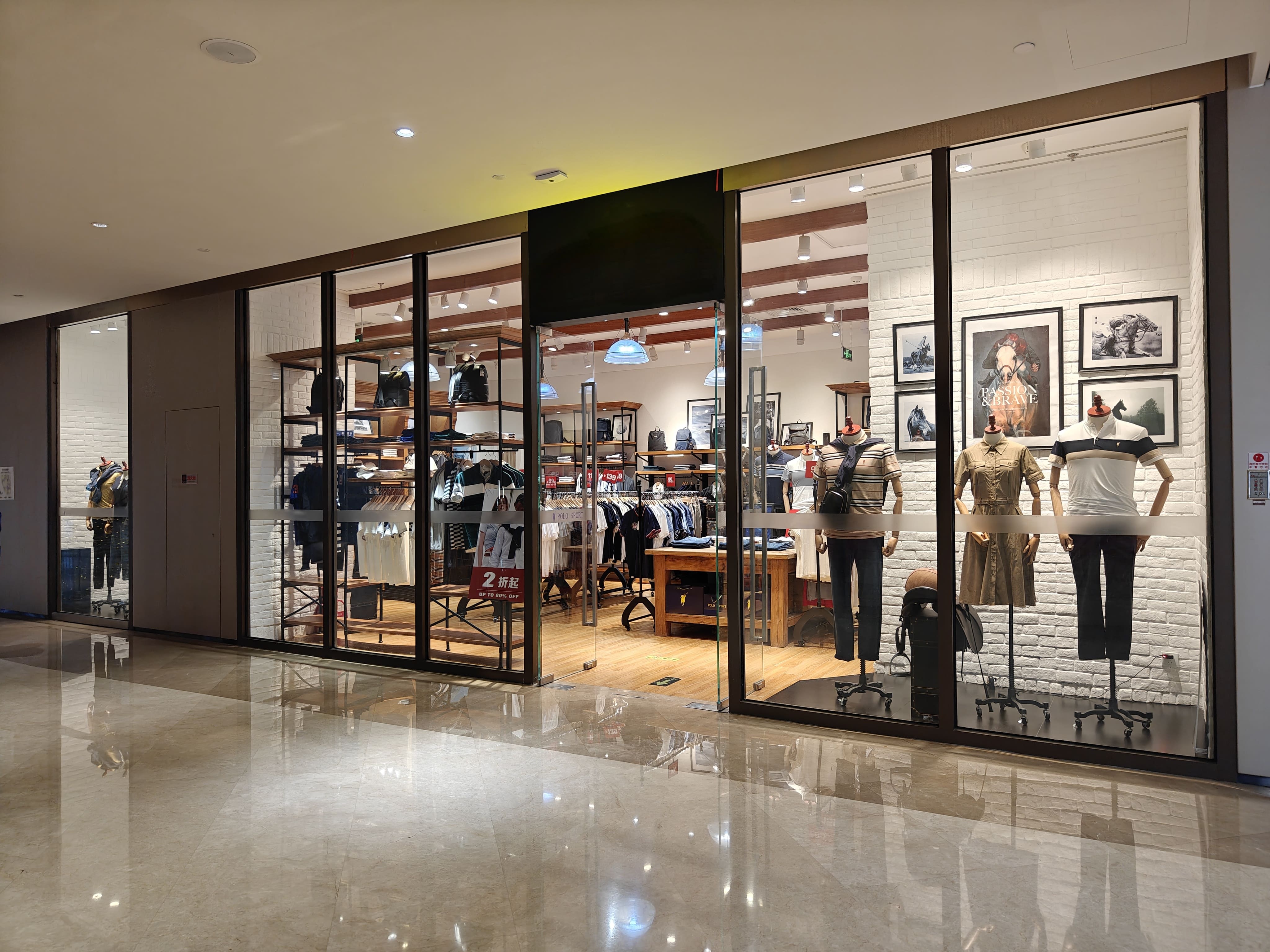
Most household and commercial windows use soda-lime glass. It's cheap and clear, but it expands quickly when heated and cracks under thermal shock. Pour boiling water into a cold soda-lime tumbler and it may split.
The heat-resistant alternative replaces some ingredients with boron trioxide. This change drops the thermal expansion coefficient dramatically. According to material data from manufacturers and laboratories, this type of glass expands about three times less than standard window glass when temperatures rise. Less expansion means less internal stress, and less stress means the pane stays intact when one side faces fire and the other stays cool.
That property is exactly what fire protection demands. A fire-rated assembly must survive a temperature gap of hundreds of degrees across a single pane without breaking. This is where engineered glass earns its place as a true safety glass in demanding applications.
In a fire test, glazing is exposed to a furnace that follows a standard heat curve, climbing past 800°C within the first 30 minutes. The glass must do two jobs: stay in the frame (integrity) and, in some cases, block radiant heat from passing through (insulation).
Single-layer heat-resistant panes typically deliver integrity protection. They hold back flames, smoke, and hot gases for a rated period. Multi-layer assemblies add an intumescent interlayer that swells and turns opaque under heat, blocking the transfer of radiant heat to the safe side. Hengbao's product range covers both approaches, including FPOS fire resistant glass and single-layer systems.
The performance numbers tell the story. Below is a simplified comparison of common glazing types.
Glass type | Thermal expansion | Typical fire rating | Best use |
|---|---|---|---|
Soda-lime (ordinary) | High | None | Standard windows |
Tempered | High | Up to 30 min (limited) | Impact-resistant doors |
Single-layer fire-rated | Low | 60–90 min integrity | Fire doors, partitions |
Multi-layer insulated fire-rated | Low | 60–120 min integrity + insulation | Escape routes, high-risk zones |
Architects love open, transparent spaces, but those same glass walls can become weak points during a fire. Fire-rated glazing solves the conflict by combining clear sightlines with proven protection. Common applications include:
Fire doors and glazed doors that separate corridors and stairwells while letting daylight through.
Fire-rated windows in walls that must contain a fire to one room or zone.
Partitions and curtain walls in offices, hospitals, and shopping centers.
Floors and skylights where overhead protection is required.
Smoke barriers that channel smoke away from escape routes.
For projects that demand both daylight and protection, certified fire rated glass lets designers keep their vision without compromising occupant safety. Hengbao supplies all of these systems and offers OEM and ODM customization for size, color, and material.
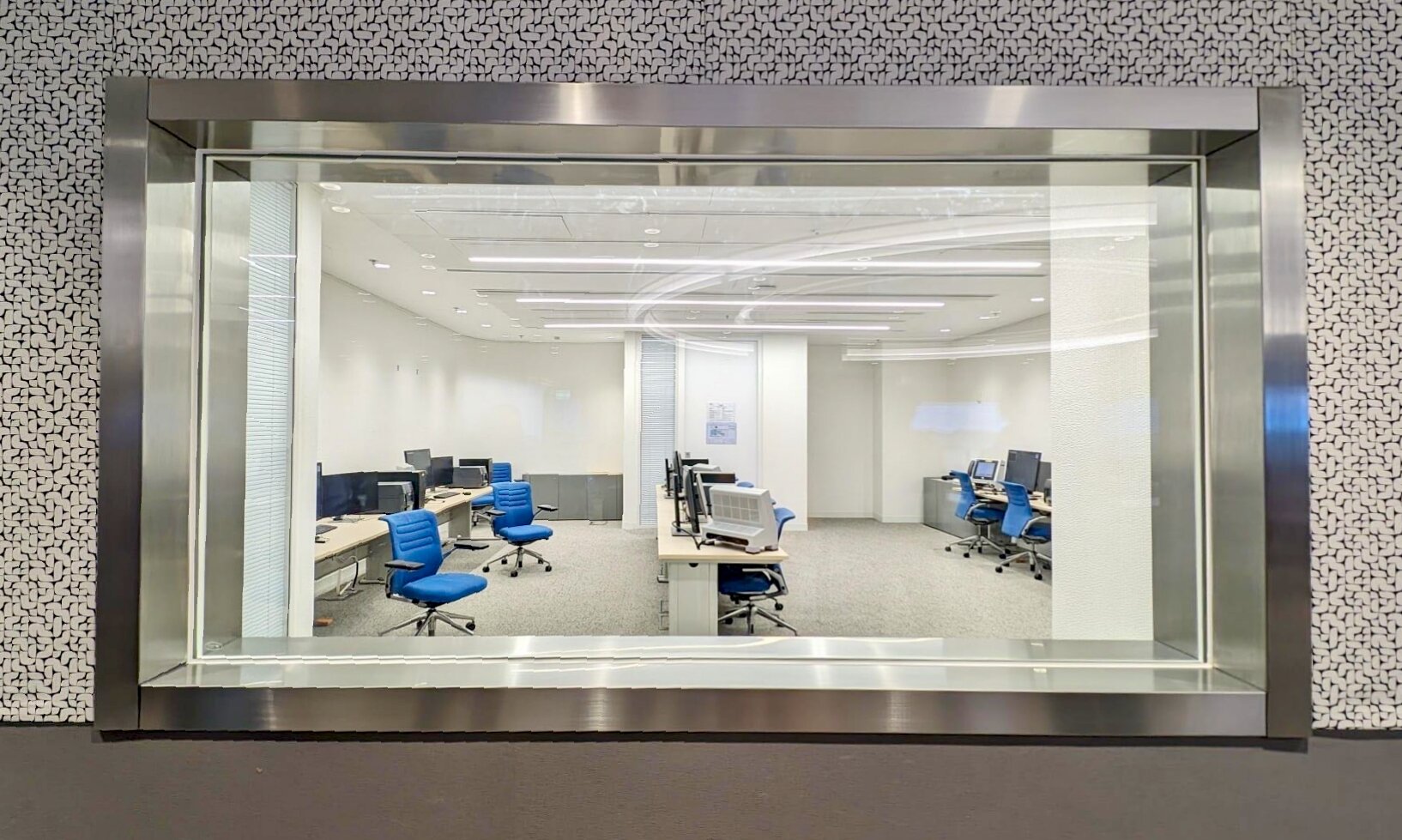

A fire rating only counts if it's backed by independent testing. In China, the key standard is CCCF compulsory certification. Heshan Hengbao Fire Resistant Glass Factory holds 74 national CCCF product certificates, over 270 test reports, and 88 patents covering fire-resistant glass, doors, and windows as of April 2025.
Choose a certified supplier if regulatory compliance and insurance approval matter more than upfront cost. Uncertified glass may look identical but can fail far earlier than its claimed rating, putting lives and legal liability at risk. Hengbao also carries ISO 9001, ISO 14001, and ISO 45001 system certifications, and participated in revising the national fire-proof glass standard.
Start with the building code requirement for the specific opening. A 30-minute door needs a different product than a two-hour stairwell wall. Then weigh three factors:
Integrity vs. insulation. If people will pass close to the glass during evacuation, choose an insulated multi-layer product that blocks radiant heat. For lower-risk zones, single-layer integrity glass may be enough.
Aesthetics. Slim steel profiles and large clear panes suit premium commercial interiors.
Supplier track record. A factory with decades of experience and a deep certificate library reduces project risk.
For standard, non-rated safety needs—like impact-resistant glass that breaks safely—tempered or laminated products serve well. For fire-rated requirements, however, borosilicate glass is the preferred solution. Hengbao acts as a fire rated glass and tempered glass manufacturer, so you can source both rated and non-rated products from one partner.
Borosilicate glass and the fire-rated systems built around it are no longer a niche specification—they're a core part of responsible building design. The low thermal expansion that lets this glass survive a furnace is the same property that protects escape routes and buys precious time during an emergency.
If you're planning a project that needs certified fire protection, the next step is simple. Map your code requirements to specific openings, then talk to a manufacturer who can prove their ratings with real test reports. Hengbao's technical team offers 24-hour online support and can advise on the right product for each application. Reach out, request the relevant CCCF documentation, and lock in glazing that performs when it matters most.
What is borosilicate glass made of?
It's made from silica and boron trioxide. The boron lowers the glass's thermal expansion, so it resists cracking under sudden heat changes—making it ideal for cookware, lab equipment, and fire-rated building systems.
Is fire-rated glass the same as bulletproof glass?
No. Fire-rated glass is engineered to resist heat, flames, and smoke for a set time. Bulletproof glass resists physical impact. Some products combine properties, but the two ratings are tested separately.
How long can fire-rated glass hold back a fire?
Ratings typically range from 30 minutes to two hours, depending on the product and assembly. Single-layer glass usually offers integrity protection, while multi-layer insulated glass adds heat-blocking performance.
Does borosilicate glass cost more than ordinary glass?
Yes, it costs more than soda-lime glass because of the specialized materials and testing involved. The added cost buys heat resistance and code compliance that ordinary glass cannot match.
Can I get custom sizes and colors?
Yes. Manufacturers like Hengbao offer OEM and ODM services, customizing size, quantity, color, and material to fit specific architectural needs.
Meta title
Borosilicate Glass: The Fire-Safe Choice for Buildings
Meta description
Discover how borosilicate glass resists heat and fire, why it powers fire-rated glazing, and how to choose certified safety glass for your next building project.


