
- All
- Product Name
- Product Keyword
- Product Model
- Product Summary
- Product Description
- Multi Field Search
Views: 0 Author: Site Editor Publish Time: 2026-06-04 Origin: Site


Quick answer:
Specialized protective glazing acts as a vital barrier against high temperatures, flames, and smoke. This material provides crucial evacuation time during emergencies while allowing natural light to flow through commercial spaces. Choosing the right protective panels ensures strict adherence to local building codes and effectively protects human life.
Modern architecture heavily favors natural light and open concepts. Planners constantly seek ways to make commercial spaces feel expansive and welcoming. This design preference often conflicts with strict safety regulations that require robust physical barriers to prevent the spread of hazards. Facility managers must find a balance between aesthetic appeal and life-saving functionality.
Using advanced transparent materials is the most effective way to solve this architectural challenge. Companies like Heshan Hengbao Fire Resistant Glass Factory Co. Ltd have spent over 28 years engineering solutions that look like standard architectural features but perform like solid steel walls during an emergency. Incorporating elements like Fire rated glass allows designers to maintain their vision without compromising occupant safety.
This guide explores how specialized safety panels work to protect your property. You will learn the mechanical differences between everyday materials and advanced protective barriers, where to install these solutions, and how to select the best options for your next commercial project.
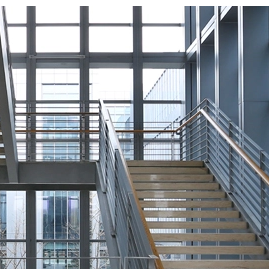

Standard architectural materials fail rapidly when exposed to extreme heat. Regular panels shatter within minutes, allowing flames and toxic smoke to spread rapidly through corridors and stairwells. Advanced protective glazing uses specialized manufacturing processes to withstand these extreme conditions for extended periods.
Manufacturers create these robust panels using two primary methods. The first method involves specially tempering the material to withstand massive thermal shock. The second method uses multiple layers separated by clear intumescent interlayers. When exposed to high heat, these interlayers expand and turn opaque. This reaction creates a rigid thermal barrier that blocks both flames and radiant heat. According to the National Fire Protection Association (NFPA, 2024), blocking radiant heat is critical because it prevents combustible materials on the non-exposed side from spontaneously igniting.
Understanding the performance metrics of different materials helps facility managers make informed decisions. The table below outlines the core differences between everyday architectural materials and high-performance safety barriers.
Performance Metric | Standard Architectural Glazing | Specialized Safety Glazing | Advanced Entryway Systems |
Heat Resistance Limit | Breaks at 120°C | Withstands up to 1000°C | Withstands up to 1000°C |
Radiant Heat Blocking | None | High (Intumescent models) | High (Intumescent models) |
Structural Integrity Time | 2 to 5 minutes | 30 to 120 minutes | 30 to 120 minutes |
Smoke Containment | Poor | Excellent | Excellent |
Typical Applications | Exterior facades, decorations | Stairwells, safe zones | Hallways, exit routes |
Strategic placement of protective barriers dictates how effectively a building can contain an emergency. Architects must focus on the primary egress routes that occupants will use during an evacuation. Stairwells, main corridors, and elevator lobbies are the most critical zones for these installations.
Commercial buildings often utilize transparent partitions in these high-traffic areas to avoid a claustrophobic feeling. Installing fire rated doors in these specific locations ensures that the exit paths remain visible, well-lit, and completely protected from encroaching smoke. Facility managers should prioritize these entryways because they serve as the active boundaries between safe zones and active hazard areas.
Interior corridors are not the only areas that require strict protection. Buildings situated close together in dense urban environments face the risk of hazards jumping from one structure to another. This phenomenon is known as exterior hazard leap.
To combat this, building codes frequently require protective measures on exterior walls that face property lines or adjacent structures. Utilizing fire rated windows on these specific elevations prevents external hazards from penetrating the building envelope. These panels offer the exact same thermal protection as interior barriers but include additional weatherproofing treatments to handle rain, wind, and UV exposure. Choose exterior-grade protective panels if your building is located in a high-density commercial district where the risk of structural proximity is high.


Selecting a reliable supplier is just as important as choosing the right materials. Substandard products put lives at risk and lead to costly compliance failures during municipal inspections.
Always look for manufacturers with extensive testing credentials and industry longevity. For example, Heshan Hengbao Company holds over 74 national CCCF certificates and 88 specific patents for their protective materials. A manufacturer with a dedicated industrial workshop and a long history of compliance guarantees that your building materials will perform flawlessly when it matters most. Ensure your chosen supplier provides customized sizing and comprehensive technical support to match your specific architectural plans.
Securing a commercial building requires careful planning and a deep understanding of modern material capabilities. By upgrading standard panels to advanced protective glazing, you ensure that your property exceeds local compliance standards while maintaining a bright, welcoming environment.
Begin by auditing your current egress routes and exterior elevations. Identify areas where standard transparent materials currently compromise your safety compartmentalization. Consult with a specialized manufacturer to assess which protective systems will best integrate into your existing architecture. Prioritizing these upgrades today protects your assets and saves lives tomorrow.
The cost of advanced protective barriers depends on the required protection duration (e.g., 30, 60, or 120 minutes) and whether the panels block radiant heat. While they are more expensive than standard architectural materials, they are mandatory for building code compliance and significantly reduce liability and insurance premiums.
Custom manufacturing typically takes between four to eight weeks, depending on the complexity of the framing systems and the total square footage required. Installation time varies by project size but generally aligns with standard commercial glazing timelines when performed by certified professionals.
Using non-certified materials in regulated zones leads to immediate building code violations, hefty fines, and denied occupancy permits. More importantly, incorrect materials will shatter within minutes during an emergency, allowing smoke and high temperatures to flood evacuation routes and endanger occupants.
Only certified commercial glazing contractors with specific training in life-safety systems should install these products. Improper installation techniques, such as using the wrong sealant or incorrect frame spacing, can completely void the protective rating of the material.


