
- All
- Product Name
- Product Keyword
- Product Model
- Product Summary
- Product Description
- Multi Field Search
Views: 0 Author: Site Editor Publish Time: 2026-04-29 Origin: Site


In the landscape of modern urban architecture, the density of high-rise structures and complex commercial hubs has made fire safety an absolute priority. Beyond traditional sprinkler systems and alarms, the passive fire protection (PFP) elements of a building—specifically the materials used in partitions, windows, and doors—serve as the last line of defense. These components are engineered not just to resist the passage of flames, but to provide critical time for evacuation and to prevent the structural failure of a building during a thermal event.
The evolution of materials science has allowed architects to maintain transparency and aesthetic appeal without compromising on safety. High-performance glazing systems have replaced opaque walls in many critical fire zones, providing a clear line of sight for emergency responders while maintaining a robust barrier against heat and smoke.
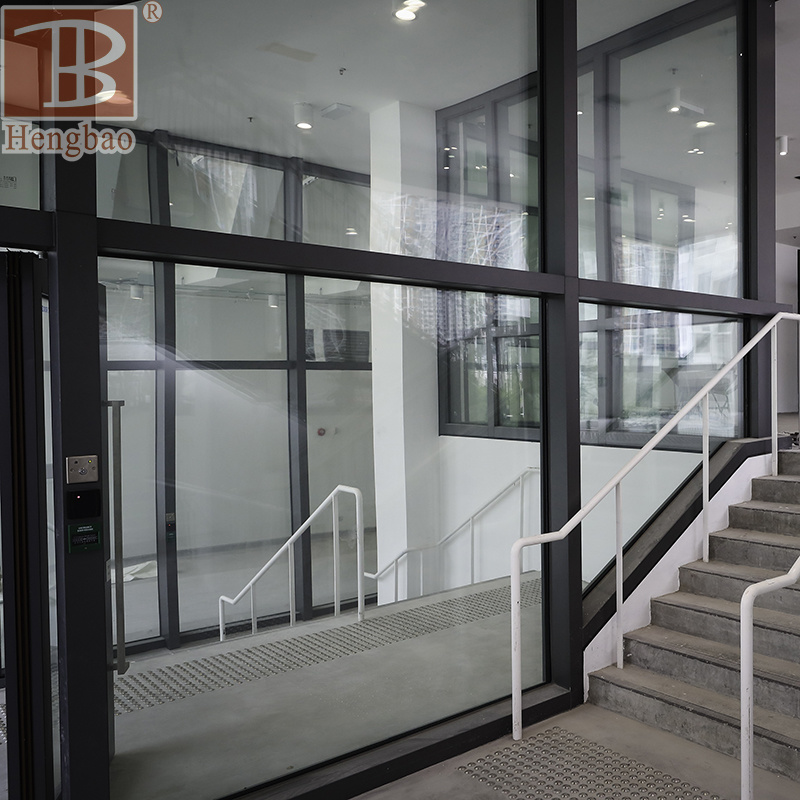
When a fire breaks out, the immediate threat is often perceived as the visible flame. However, the true danger in the first few minutes is the rapid rise in temperature and the transmission of radiant heat. Standard tempered glass, while strong, can shatter under the intense thermal stress of a fire, allowing oxygen to feed the flames and smoke to permeate other compartments. This is where Fire safety glass becomes indispensable.
Unlike standard glazing, fire-rated variants are tested to withstand extreme heat for specific durations, ranging from 30 to 120 minutes. These systems are categorized into different performance levels: integrity-only (E), which prevents the passage of flame and hot gases, and integrity-and-insulation (EI), which also blocks the transfer of radiant heat to the non-fire side. For escape routes and critical exits, the insulation factor is vital to ensure that people can pass by the fire zone without suffering from severe burns.
In many architectural applications, fire protection must coexist with energy efficiency and occupant comfort. Radiant heat is a form of energy that moves in waves; even if a glass barrier stays intact (integrity), the heat passing through it can ignite curtains, furniture, or paper on the "safe" side. To combat this,Heat insulation Glass is employed in high-risk partitions and exterior windows.
This specialized glass often utilizes a multi-layer construction with intumescent interlayers. When exposed to heat, these layers expand and become opaque, forming a high-performance thermal shield. This shield keeps the temperature on the protected side remarkably low, even when the fire side is exceeding 800°C. This level of protection is essential for hospital corridors, schools, and server rooms where delicate equipment or vulnerable populations require the highest standards of thermal isolation.
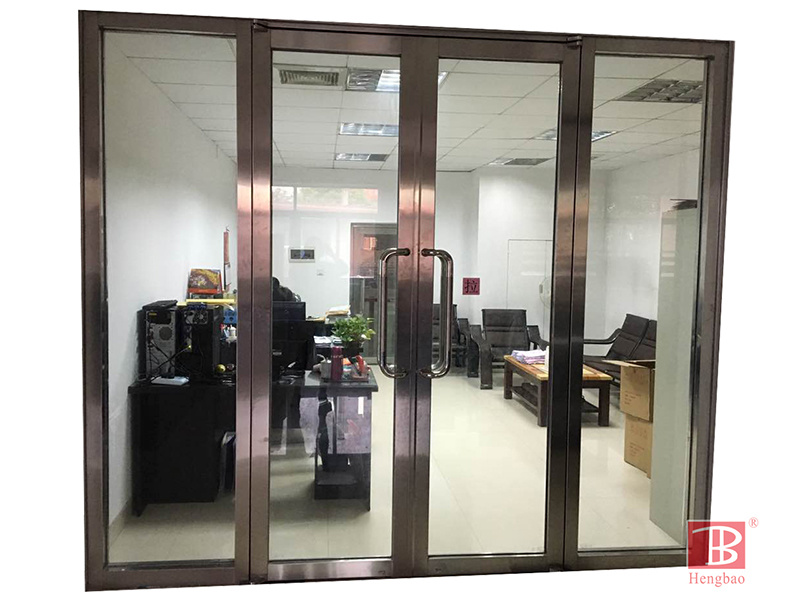
A fire barrier is only as strong as its weakest point. A fire-rated glass pane is ineffective if the frame holding it fails or if the door it is mounted in warps under heat. A high-quality Heat insulation door integrates the glazing with a fire-resistant frame—typically made of stainless steel or specialized timber—and heat-activated seals (intumescent strips).
These door systems are rigorously tested as a whole. When a fire occurs, the seals expand to fill the gaps between the door and the frame, creating a smoke-tight environment. For commercial lobbies and elevator halls, these doors offer a combination of elegant transparency and life-saving performance. They allow light to flow through the building during normal operations while standing ready to transform into a solid thermal wall in an emergency.


To better understand the requirements of different building zones, it is important to distinguish between the various fire ratings. The following table illustrates the primary performance metrics for fire-resistant glazing:
| Rating Classification | Integrity (Flame/Gas Barrier) | Radiation Control (EW) | Heat Insulation (EI) | Common Application |
| Class E (Integrity) | Yes | No | No | Smoke barriers, non-critical partitions |
| Class EW (Radiation) | Yes | Partial (<15 kW/m²) | No | External windows near other buildings |
| Class EI (Insulation) | Yes | Yes | Yes (<140°C rise) | Escape routes, stairwells, fire exits |
| Single Layer (High Borosilicate) | Yes | Limited | No | High-strength windows, skylights |
For developers and architects in Hong Kong and internationally, compliance with local building codes (such as the Code of Practice for Fire Safety in Buildings) is mandatory. These codes specify the exact fire-resistance period (FRP) required for different parts of a structure. Utilizing certified products that have passed BS (British Standards), EN (European Norms), or UL (Underwriters Laboratories) testing is the only way to guarantee that the installation will perform as expected.
Modern manufacturers now provide documentation that includes not just the fire rating of the glass, but the compatibility with specific framing systems. This "system-tested" approach ensures that the expansion rates of the metal and the glass are synchronized, preventing the glass from falling out of the frame during the rapid temperature spikes of an industrial or commercial fire.
Passive fire protection is a "fit and forget" system only in theory. In practice, the integrity of a Heat insulation door or window must be maintained over decades. Regular inspections should check for:
Damage to the intumescent seals or fire-resistant gaskets.
Cracks or chips in the Fire safety glass that could compromise its thermal resistance.
Alignment issues in door closers and hinges that might prevent the door from latching securely during an alarm.
By prioritizing these specialized materials and ensuring professional installation, building owners can significantly reduce their risk profile. Whether it is a luxury hotel lobby or a high-tech manufacturing plant, the integration of Heat insulation Glass and robust barrier systems represents a commitment to safety that goes far beyond basic compliance.
The intersection of safety and design is where the most successful architectural projects thrive. The use of advanced Fire safety glass allows for the creation of open, light-filled spaces that do not compromise the lives of their occupants. By selecting the correct Heat insulation door and glazing systems, architects provide a resilient infrastructure capable of withstanding the unpredictable nature of fire, ultimately protecting both property and human life for the future.


