
- All
- Product Name
- Product Keyword
- Product Model
- Product Summary
- Product Description
- Multi Field Search
Views: 0 Author: Site Editor Publish Time: 2025-10-29 Origin: Site


When designing or renovating a building, safety should always be a top priority. While we often think about smoke detectors and fire extinguishers, other structural components play a crucial role in fire protection. One of the most important, yet often overlooked, elements is the window. A fire rated window is not just a piece of glass; it is a critical component of a building's passive fire protection system, designed to save lives and protect property. Understanding the capabilities of a fire resistant window can make all the difference during an emergency.
This guide will explore the essentials of fire-rated glass, explaining what makes it so resilient and why it's a vital investment for both commercial and residential properties. We will delve into the technology, including advanced materials like silicon glass, and compare its performance to standard glass options.


A fire rated window is a specialized window system engineered to resist fire and block the transfer of heat for a specific period. Unlike standard windows, which can fail within minutes of exposure to high temperatures, a fire resistant window assembly—including the glass, frame, and hardware—is designed to maintain its structural integrity during a fire. This containment helps compartmentalize a fire, preventing it from spreading from one area of a building to another and providing occupants with more time to evacuate safely.
The difference in performance is dramatic. Standard window glass will typically shatter when temperatures reach around 250 degrees Fahrenheit (F). Tempered glass, which is stronger, offers more resistance but will still fail at approximately 500 degrees F. In stark contrast, a fire rated window can often survive extreme heat exceeding 1600 degrees F. This remarkable durability is due to its advanced engineering. The glass itself, sometimes a form of specialized silicon glass, is constructed differently, often with multiple layers or chemical treatments that allow it to withstand thermal shock that would destroy conventional glass. A high-quality fire resistant window provides a reliable barrier against flames and smoke.
The primary function of a fire resistant window is to compartmentalize fire. By containing flames and smoke to a specific room or section, it slows the fire's progression through the building. This delay is critical, as it allows for a safer and more orderly evacuation and gives firefighters a better opportunity to control the blaze.
Fire-Protective Glass: This type of glass blocks flames and smoke but does not prevent the transfer of radiant heat. It is typically made from wired glass, ceramics, or specially tempered materials. It is suitable for areas where heat transfer is less of a concern.
Fire-Resistive Glass: This is the more advanced option. It not only blocks flames and smoke but also insulates against radiant heat. This glass often consists of multiple layers of glass with an intumescent interlayer, which is a type of silicon glass composite. When exposed to heat, this layer turns into a thick, opaque char that acts as a heat shield. This feature is crucial for protecting escape routes and ensuring they remain usable during a fire. A fire rated window with this technology provides the highest level of protection.
The exceptional performance of a fire rated window comes from sophisticated materials and manufacturing processes. The glass is not a single product but a category of highly engineered materials.
One of the key innovations in this field is the use of intumescent interlayers, which can be based on a silicon glass formulation. These clear layers are sandwiched between panes of glass. In a fire, the intumescent material expands and becomes a rigid, opaque barrier. This transformation effectively turns the clear window into a solid, fire-resistant wall that blocks heat. This type of multi-laminate silicon glass is a cornerstone of modern fire safety design.
Another common type is glass ceramic, which has an extremely low coefficient of thermal expansion. This means it doesn't expand or contract much when its temperature changes, preventing the stress that causes other glass types to shatter. This technology ensures the fire resistant window remains intact even under intense thermal stress.
To truly appreciate the value of a fire rated window, it helps to see a direct comparison of how different glass types perform under extreme heat.
Glass Type | Failure Temperature (Approx.) | Performance in Fire | Key Characteristics |
|---|---|---|---|
Standard (Annealed) Glass | 250°F | Shatters quickly into large, sharp shards. | Offers no fire protection. |
Tempered Glass | 500°F | Stronger than standard glass, but shatters completely into small pebbles when its limit is reached. | Provides minimal fire delay. |
Wired Glass | 1600°F | The wire mesh holds the glass in place when it cracks, blocking flames. | Considered an older fire-protective solution. Does not block radiant heat. |
Silicon Glass Laminate | >1600°F | The intumescent layer expands, turning the window opaque and blocking radiant heat. | Offers both fire-protective and fire-resistive properties. A key component of a modern fire rated window. |
Glass Ceramic | >1600°F | Remains stable and transparent under high heat, blocking flames and smoke. | Can be used as a single pane fire resistant window but often does not block radiant heat unless coated or laminated. |
This table illustrates why choosing the right fire resistant window is so important. The level of protection offered by specialized materials like silicon glass laminates far exceeds that of standard options.
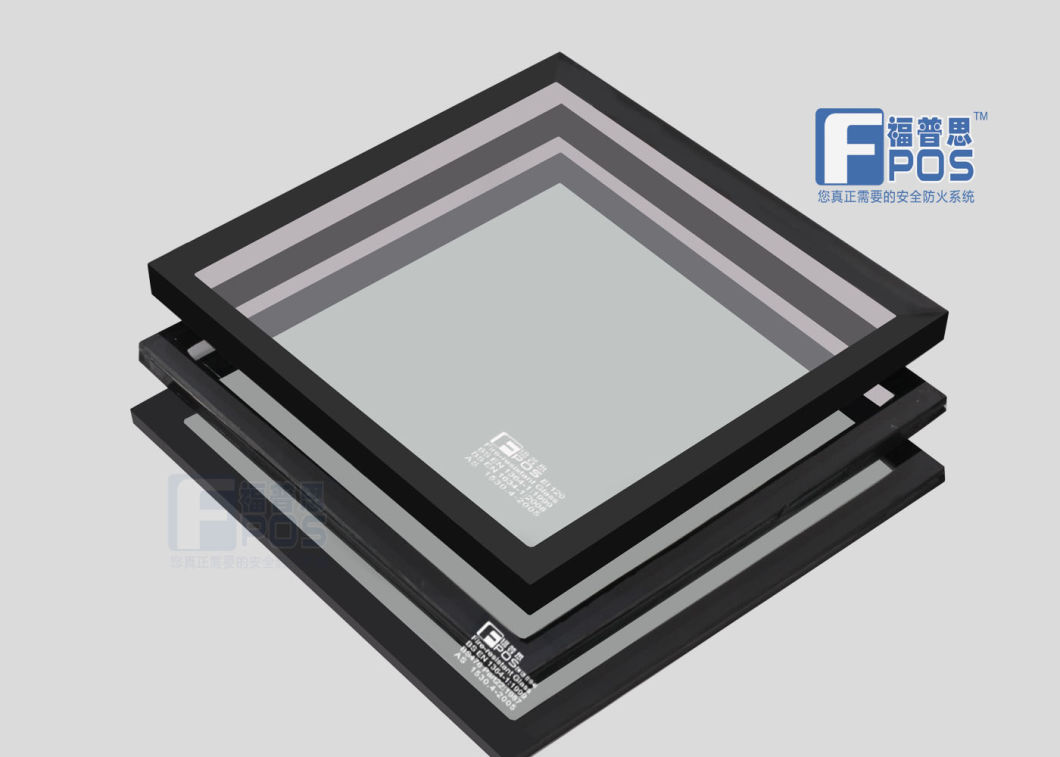
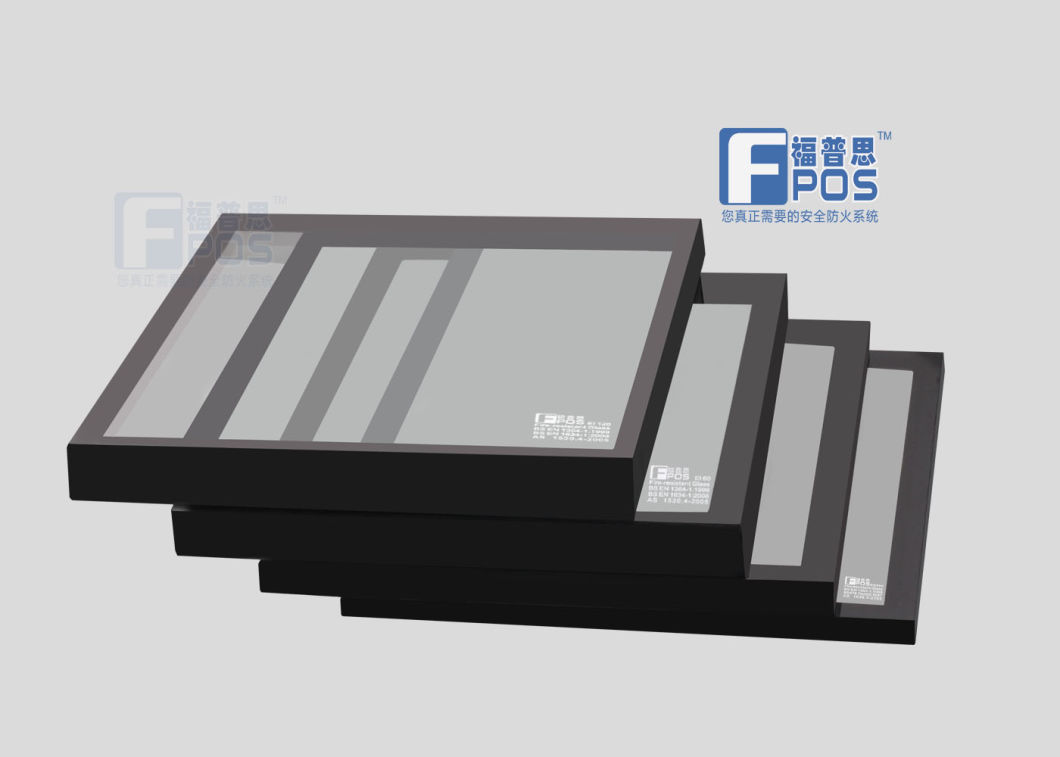
Building codes, such as those from the National Fire Protection Association (NFPA) and the International Building Code (IBC), mandate the use of a fire rated window in specific locations. These are typically in walls and partitions that have a designated fire-resistance rating. Common areas include:
Stairwells and Corridors: To protect evacuation routes from smoke and fire.
Fire-Rated Walls: Where openings are needed for light or visibility, a fire resistant window ensures the wall's integrity is not compromised.
Property Line Walls: To prevent fire from spreading between adjacent buildings.
Hazardous Areas: In locations where flammable materials are stored.
Installing a fire rated window in these critical areas is not just a recommendation; it is a legal requirement designed to ensure a minimum standard of safety.
When selecting a fire rated window, several factors must be considered:
Fire Rating: The window must have a rating (e.g., 20, 45, 60, or 90 minutes) that matches the requirement for the wall it is being installed in.
Frame Material: The frame is just as important as the glass. Steel frames are common for a fire resistant window because they are strong and have a high melting point.
Impact Resistance: In some areas, the window may also need to meet safety glazing requirements to protect against human impact.
Professional Installation: A fire rated window is part of a complete assembly. It must be installed by certified professionals according to the manufacturer’s specifications to ensure it performs as expected.
Investing in a high-quality fire rated window system is a critical decision for any building project. The right product provides peace of mind, ensures code compliance, and most importantly, protects lives. The advanced materials, such as specialized silicon glass, used in these windows are a testament to how far safety technology has come.
For top-tier solutions that combine advanced technology with reliable performance, consider HengBao. HengBao specializes in providing superior fire-rated glass and window systems that meet the highest standards of safety and quality. Their commitment to innovation ensures you receive a product engineered for maximum protection. A fire rated window from HengBao is an investment in security.
To learn more about how HengBao can help you secure your property with a leading fire resistant window, please contact their expert team.
Email: ritachan@hbglass.net
Phone: +86-138-2802-2123
A: No, a fire rated window is a complete system. The frame, glazing, and hardware must all be fire-rated and tested together as an assembly to achieve the desired fire-resistance rating. Using a non-rated frame will compromise the entire window's integrity in a fire.
A: Modern fire-rated glass can be virtually indistinguishable from non-rated glass. Advances in technology, particularly with ceramic glass and silicon glass laminates, allow for high-clarity, wire-free options that offer a clean, aesthetic look without sacrificing safety.
A: Fire-protective glass blocks flames and smoke but not radiant heat. Fire-resistive glass blocks flames, smoke, AND radiant heat. Fire-resistive glazing, often made with silicon glass intumescent layers, is required in locations where limiting heat transfer is critical for keeping an escape route safe.
A: Yes, a fire rated window is more expensive than a standard window due to its specialized materials, complex manufacturing processes, and rigorous testing requirements. However, the cost is a necessary investment for code compliance and life safety.


