
- All
- Product Name
- Product Keyword
- Product Model
- Product Summary
- Product Description
- Multi Field Search
Views: 0 Author: Site Editor Publish Time: 2026-07-24 Origin: Site


TR;DR:
Toughened fire safety glass is thermally or chemically strengthened glass certified to resist fire for 30 to 120 minutes. Selecting the right product requires understanding fire ratings, manufacturing credentials, and certification standards. Hengbao, a Guangdong-based manufacturer with 28 years of production experience and 74 CCCF certificates, supplies the full spectrum of fire-resistant glazing systems for global projects.
Fire safety glass has moved from a regulatory checkbox to a central element of architectural design. Hospitals, commercial towers, schools, and transit hubs all depend on glazed fire barriers to protect occupants and slow the spread of flame. The challenge for procurement teams, architects, and building contractors is straightforward: not all fire glass products perform equally, and the gap between certified and uncertified materials can mean the difference between compliance and catastrophe.
Toughened fire safety glass — glass that has been thermally treated to resist fire while maintaining structural integrity — sits at the top of this product category. Selecting the right product starts with understanding how it is manufactured, what standards it must meet, and which suppliers have the credentials to back their claims.
This article breaks down the key performance factors that separate high-grade fire safety glass from standard building glass, and explains how Hengbao has built its reputation as a trusted name in the global fire-resistant glazing market.


Standard glass shatters under heat. Properly manufactured fire safety glass does not — at least not in the way that leaves occupants exposed. The toughening process involves heating annealed glass above 600°C, then rapidly cooling the surfaces through a controlled air-quenching process. This creates surface compression and internal tension, dramatically increasing resistance to thermal stress.
Thermal toughening alone, however, does not make glass fire-rated. True fire safety glass must also satisfy integrity (E) and, in many cases, insulation (EI) standards — meaning it must prevent the passage of flame and hot gases for a defined period. Some products also carry radiation (EW) ratings, blocking radiant heat transfer to protect occupants at a distance.
The distinction matters during specification. A product that passes integrity testing alone will stop flames and smoke but may still radiate significant heat. A product that satisfies both integrity and insulation criteria provides a substantially higher level of protection — critical in corridors, stairwells, and facades where evacuation routes must remain usable.

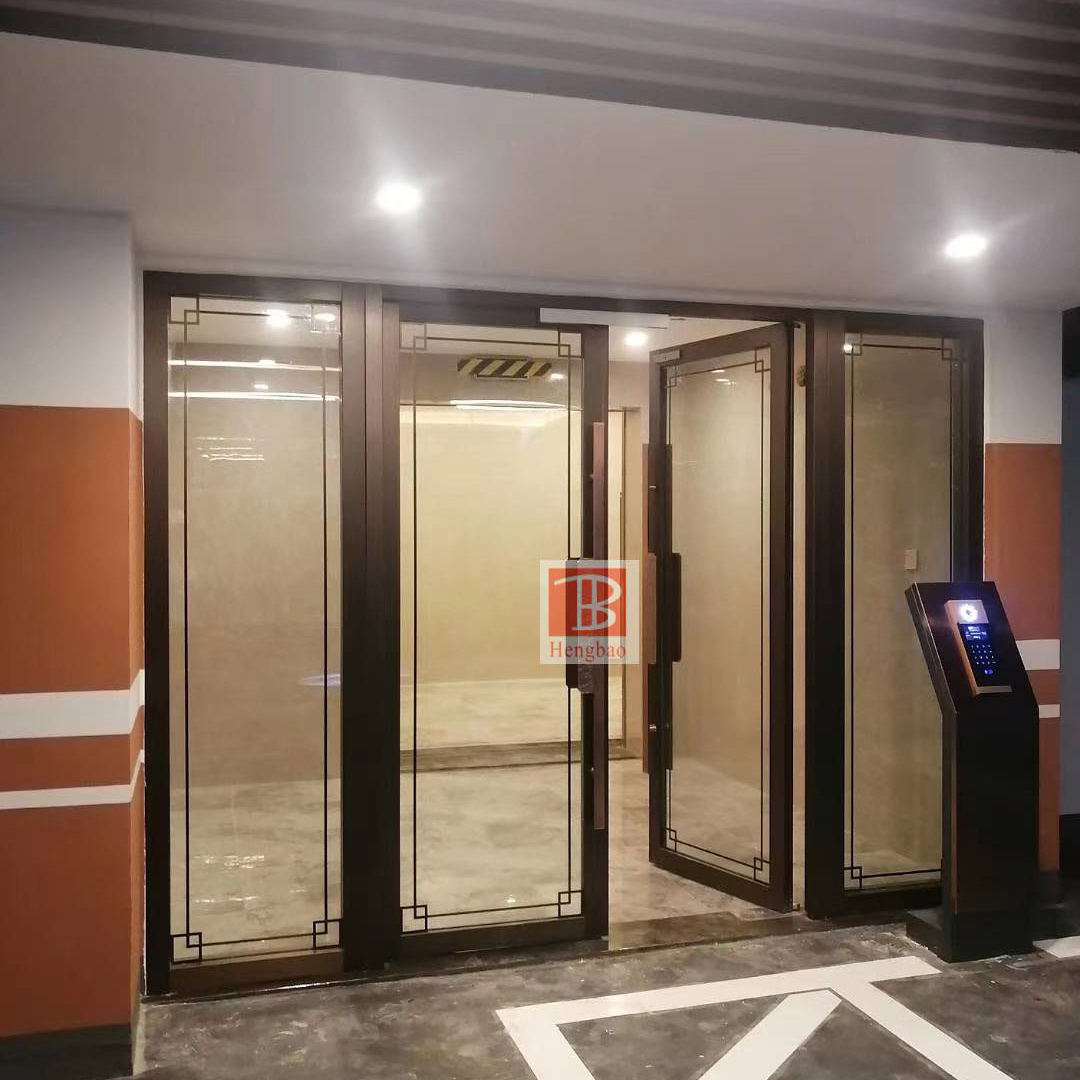
Specifiers working across different fire zones need to match glass type to performance requirement. The table below outlines the core categories:
Glass Type | Fire Rating Class | Typical Duration | Primary Application |
|---|---|---|---|
Single Layer Fire Rated Glass | E (Integrity) | 30–120 min | Doors, windows, partitions |
FPOS Fire Resistant Glass | EI (Integrity + Insulation) | 30–120 min | High-protection fire zones |
Laminated Fire Resistant Glass | E / EI | 60–120 min | Facades, structural glazing |
Smoke Barrier Glass | S (Smoke Control) | 30–60 min | Atriums, horizontal barriers |
Standard Tempered Glass | Non-fire-rated | N/A | General safety glazing |
Choosing on price alone — or defaulting to the most expensive product — without referencing fire zone requirements creates both compliance risk and unnecessary cost. Matching rating class to application is the first decision, not the last.
Certification is the foundation of any credible supply relationship. A reliable fire safety glass manufacturer holds independently verified test reports, not just factory-issued claims. In China, the CCCF (China Compulsory Certification for Fire Products) is the primary regulatory benchmark. For international projects, EN 13501-2 (Europe) and ASTM E119 (North America) apply depending on the destination market.
Beyond documentation, the manufacturing environment reflects production consistency. Calibrated tempering furnaces, lamination clean rooms, and in-house quality testing equipment all reduce variability across production batches. Manufacturers that rely on subcontracted processing introduce variability that fire safety specifications simply cannot accommodate.
Hengbao — formally Heshan Hengbao Fire Resistant Glass Factory Co., Ltd. — has accumulated 74 national CCCF certificates, supported by over 270 test reports and 88 registered patents. The company participated directly in revising China's national fire-proof glass standard, a distinction that reflects genuine technical authority. Its factory in Jiangmen, Guangdong spans more than 65,000 square meters and operates under ISO 9001 and ISO 14001 certified management systems. In 2016, Hengbao was designated a national high-tech enterprise — a status renewed through continued R&D investment in fire-resistant glazing technology.
China's position in global fire safety glass manufacturing reflects accumulated technical expertise, not cost alone. Guangdong Province, in particular, has developed a dense ecosystem of specialist producers supported by strong logistics infrastructure, proximity to international shipping routes, and direct access to major ports through Guangzhou, Shenzhen, and Hong Kong.
Hengbao operates as a tempered glass manufacturer in China and fire-rated glazing specialist, shipping products across Asia, the Middle East, Europe, and beyond. For international procurement teams, sourcing from a China-based manufacturer with verified CCCF certification, multilingual technical support, and 28 years of export experience significantly reduces project risk compared to sourcing from producers without verifiable credentials.
OEM and ODM services are available across the full product range, with customization options for glass dimensions, thickness, color, and framing materials — supporting project-specific requirements without compromising certified performance.
Hengbao's product portfolio covers every fire-resistant glazing application a specification-grade project requires:
Single Layer Fire Rated Glass – Integrity-rated solutions for doors, windows, and interior partitions
FPOS Fire Resistant Glass – Insulation-rated glass for high-protection zones requiring heat control
Fire Rated Glazing Doors and Windows – Certified system assemblies including frames and hardware
Fire Rated Glazing Partitions and Curtain Walls – Large-area solutions for open-plan commercial environments
Fire Rated Glazing Floors and Skylights – Structural transparency with fire containment performance
Smoke Barriers – Horizontal and vertical smoke containment systems
SGP Laminated Glass and Tempered Glass – Standard safety glazing with manufacturer certification support
Each product line is backed by CCCF documentation, and Hengbao's technical team provides direct support to architects and contractors working through project specification, compliance review, and custom fabrication requirements.
Toughened fire safety glass is glass that has been heat-strengthened and independently certified to resist fire for a defined period — typically 30 to 120 minutes. Standard tempered glass is manufactured for impact resistance and personal injury prevention but does not carry fire ratings and will fail under prolonged fire exposure.
The three primary classes are E (integrity — stops flame and smoke), EI (integrity plus insulation — also limits heat transfer), and EW (integrity plus radiation control). The correct class depends on the building's fire compartmentation design and the proximity of occupants to the glazed barrier.
CCCF certification is mandatory for products installed in Chinese buildings. For export markets, verify whether the manufacturer holds test reports aligned with EN 13501-2 (Europe), ASTM E119 (North America), or the relevant national standard for the project destination. Always request the actual test reports, not just certificate reference numbers, and confirm that the certified configuration matches the product being supplied.
Yes. Hengbao provides full OEM and ODM services, with options for custom glass dimensions, thickness, interlayer specifications, color, and frame integration. The technical team works directly with project architects and contractors to confirm specification compatibility before production begins.
Certificate numbers issued by CCCF can be cross-referenced through the official National Fire Product Quality Supervision and Inspection Center database. Hengbao's certificate portfolio — 74 main product certificates as of April 2025 — is available for review, and the company's technical team can provide documentation packages aligned to specific project submission requirements.
Fire safety glass is not a commodity purchase. The performance difference between a correctly specified, certified product and a non-compliant substitute shapes every downstream outcome — from building code approval to occupant safety during a real fire event. Certification, manufacturing capability, and technical support all need to align before a product enters the specification.
Hengbao has spent 28 years building the technical depth, certification infrastructure, and product range that specification-grade projects require. For project inquiries, product documentation, or custom fabrication support, contact Hengbao's technical team at ritachan@hbglass.net or visit firepros.hk.


