
- All
- Product Name
- Product Keyword
- Product Model
- Product Summary
- Product Description
- Multi Field Search
Views: 0 Author: Site Editor Publish Time: 2025-11-05 Origin: Site


In the world of modern architecture and construction, Glass plays a crucial role not only in aesthetics but also in safety and performance. As buildings become more complex, safety standards for materials have evolved. One of the most vital innovations in this area is Fire Rated Glass. Unlike standard or tempered glass, Fire Rated Glass can endure extreme temperatures and prevent the spread of flames and smoke, saving lives and property during a fire.
This article explores in depth what Fire Rated Glass is, how it differs from conventional glass, its applications, and why it’s a smart choice for today’s buildings.
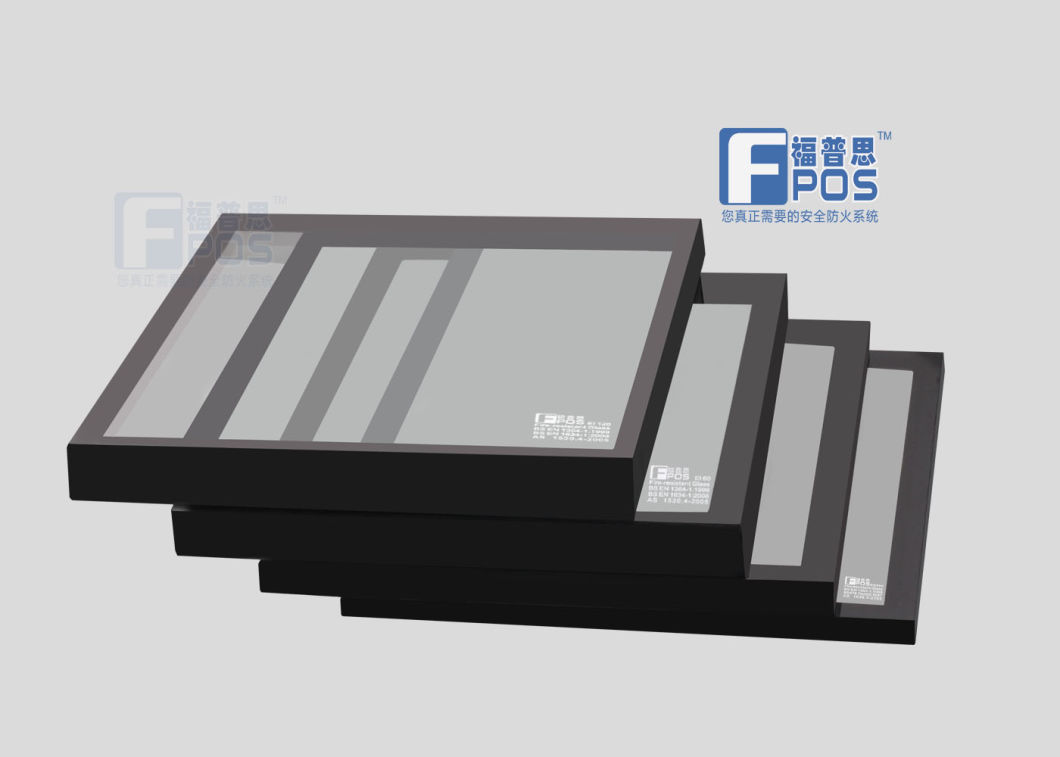
Standard window Glass will shatter at about 250 degrees Fahrenheit (F), and tempered glass can last up to around 500 degrees F. Fire Rated Glass, on the other hand, can typically survive heat over 1600 degrees F.
So, what makes Fire Rated Glass so special?
It’s because it is engineered differently from non-rated glass. Fire Rated Glass is manufactured using special interlayers, fire-resistant coatings, or multiple laminated layers that allow it to withstand intense heat, thermal shock, and pressure changes without breaking. When exposed to fire, this specialized Glass maintains its integrity, acting as a barrier against heat, smoke, and flames.
| Type of Glass | Temperature Resistance | Duration (Minutes) | Key Characteristics |
|---|---|---|---|
| Standard Glass | Up to 250°F | 0 | Shatters quickly under heat |
| Tempered Glass | Up to 500°F | 5–10 | Strengthened but not fireproof |
| Fire Rated Glass | Up to 1600°F | 30–180 | Heat-resistant, smoke barrier, flame control |
Fire Rated Glass is tested and rated based on how long it can resist fire, typically ranging from 30 minutes to 3 hours. Depending on the construction code and application, this Glass may also have insulating properties, reducing the transfer of heat to the non-fire side.
Different fire protection requirements demand different glass technologies. The main types of Fire Rated Glass include:
Traditional fire resistant glass reinforced with a metal wire mesh that holds the glass in place even when cracked by heat.
Made from ceramic materials, this type can withstand temperatures over 1600°F and offers clear visibility without distortion.
Consists of multiple Glass layers bonded with an intumescent interlayer that expands when exposed to heat, forming an insulating barrier against flames.
Uses a transparent gel layer between two sheets of Glass, which turns opaque during fire, blocking radiant heat transmission.
Each type of Fire Rated Glass is tested according to international fire safety standards, such as EN 13501-2, UL 10C, and ASTM E119.

Fire Rated Glass is not only about safety; it also supports modern design trends emphasizing openness and light. Here are some common applications:
A fire rated glass door combines elegance and protection. Found in office buildings, hotels, hospitals, and shopping centers, these doors contain Fire Rated Glass panels that prevent fire from spreading between zones.
Used in high-rise buildings, corridors, and stairwells, Fire Rated Glass windows ensure visibility and safety at the same time.
Large Glass partitions made from Fire Rated Glass help divide interior spaces while maintaining transparency and fire containment.
Some specialized Fire Rated Glass systems are used for skylights or curtain walls, providing both weather resistance and fire safety compliance.
Fire Rated Glass offers a combination of benefits that make it an essential element in architectural design and safety engineering:
Superior Heat Resistance: Withstands temperatures exceeding 1600°F, offering crucial protection during a fire emergency.
Transparency & Light Transmission: Unlike traditional opaque fire barriers, Fire Rated Glass maintains clear visibility and daylight penetration.
Versatile Design: Available in multiple finishes, thicknesses, and coatings, making it suitable for any architectural style.
Sound Insulation: Many Fire Rated Glass products provide excellent acoustic control, enhancing interior comfort.
Compliance with Building Codes: Meets or exceeds fire safety standards required for commercial and residential projects.
The fire rated glass door is a cornerstone of modern fire safety design. It allows architects to use large Glass surfaces without compromising on protection. Typically, a fire rated glass door is constructed with a steel or aluminum frame and filled with certified Fire Rated Glass.
Depending on the rating, these doors can resist fire for 30, 60, 90, or 120 minutes, providing crucial time for evacuation and fire suppression. In addition, fire rated glass doors are tested for impact resistance, smoke control, and thermal insulation, making them both durable and safe.
To ensure long-term performance, Fire Rated Glass and fire rated glass doors should be regularly inspected and maintained.
Clean with mild detergent and non-abrasive cloths.
Avoid applying films or stickers that may alter performance.
Check frame seals and gaskets for wear or damage.
Schedule annual inspections by certified professionals.
Proper maintenance extends the lifespan and reliability of your Fire Rated Glass installations.

Yes, it can eventually fail, but Fire Rated Glass is designed to maintain its integrity far longer than standard Glass, resisting heat up to 1600°F for 30 to 180 minutes.
Many Fire Rated Glass products are both fire and impact resistant, passing safety glazing standards like ANSI Z97.1 and EN 12600.
Yes. Fire rated glass doors can be used both internally and externally, depending on the product’s certification and the building’s fire safety requirements.
Thickness varies from 6mm to over 45mm, depending on the level of fire resistance and insulation required.
Some Fire Rated Glass variants include UV protection layers, preventing fading of furniture or interiors from sunlight.
Whether you’re designing a commercial complex, hospital, or modern home, Fire Rated Glass and fire rated glass doors are vital for achieving both aesthetic appeal and fire safety compliance.
For reliable, certified, and high-quality Fire Rated Glass, trust Hengbao—a leading expert in fire-resistant Glass solutions. Hengbao’s products meet international standards and can be customized for various architectural applications.
Email: ritachan@hbglass.net
Phone: +86-138-2802-2123
With Hengbao Fire Rated Glass, safety and style go hand in hand—protecting lives while enhancing modern architectural design.


