
- All
- Product Name
- Product Keyword
- Product Model
- Product Summary
- Product Description
- Multi Field Search
Views: 0 Author: Site Editor Publish Time: 2026-05-23 Origin: Site


TL;DR: Architects and contractors should select protective materials based on specific time ratings (such as 30, 60, or 90 minutes) and local building code requirements. To guarantee optimal protection, verify that all integrated systems, including frames and glazing, carry proper certification from recognized testing authorities like CCCF.
Urban environments demand rigorous safety standards. Commercial property developers face strict regulations regarding passive fire protection. Selecting the correct materials limits structural damage and protects human lives during an emergency. Heshan Hengbao Fire Resistant Glass Factory Co. Ltd provides certified solutions for these complex architectural needs. Decades of production experience allow manufacturers to develop glazing that withstands extreme temperatures without compromising aesthetic appeal.
This guide outlines the critical criteria for evaluating protective building materials. You will learn about compliance ratings, installation considerations, and the structural benefits of high-performance Fire safety glass. By understanding these elements, facility managers can confidently meet safety codes while maintaining open, light-filled designs.
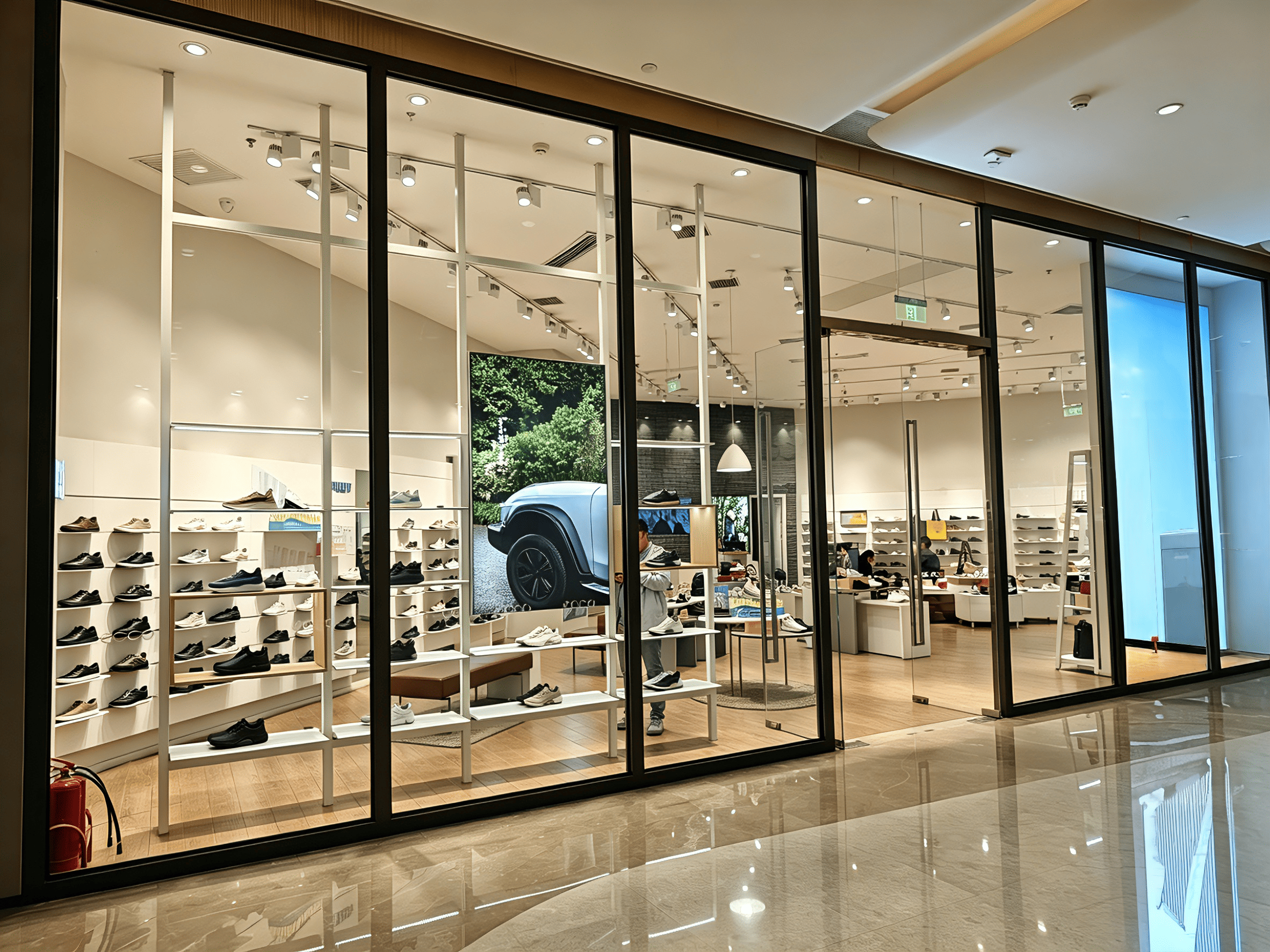

Protective glazing acts as a vital barrier against heat, smoke, and flames. Unlike standard architectural materials, these specialized panes undergo rigorous thermal stress testing. They prevent emergencies from spreading between compartments, giving occupants critical time to evacuate.
According to the National Fire Protection Association (NFPA, 2023), compartmentalization is the most effective method for containing structural damage. Integrating certified materials into corridors, stairwells, and exterior walls ensures that escape routes remain viable. This compartmental approach isolates hazards at their source, drastically reducing property loss and operational downtime for commercial enterprises.
Building codes categorize protective materials by their ability to withstand heat exposure for specific durations. Contractors must match these ratings to the specific requirements of the room or building zone. Choose a 90-minute rating if the barrier protects a main evacuation stairwell, whereas a 20-minute rating might suffice for an interior office partition.
Here is a breakdown of common time classifications and their typical applications in commercial structures:
Time Rating Classification | Typical Building Application | Performance Expectation |
20-Minute | Interior hallway partitions | Blocks smoke and provides basic flame resistance |
45-Minute | Secondary exit corridors | Prevents fire spread across adjacent office spaces |
60-Minute | Property line exteriors | Offers moderate structural integrity during high heat |
90-Minute | Primary evacuation stairwells | Maintains a secure escape route for extended periods |
120-Minute | Hazardous material storage | Delivers maximum containment for high-risk zones |
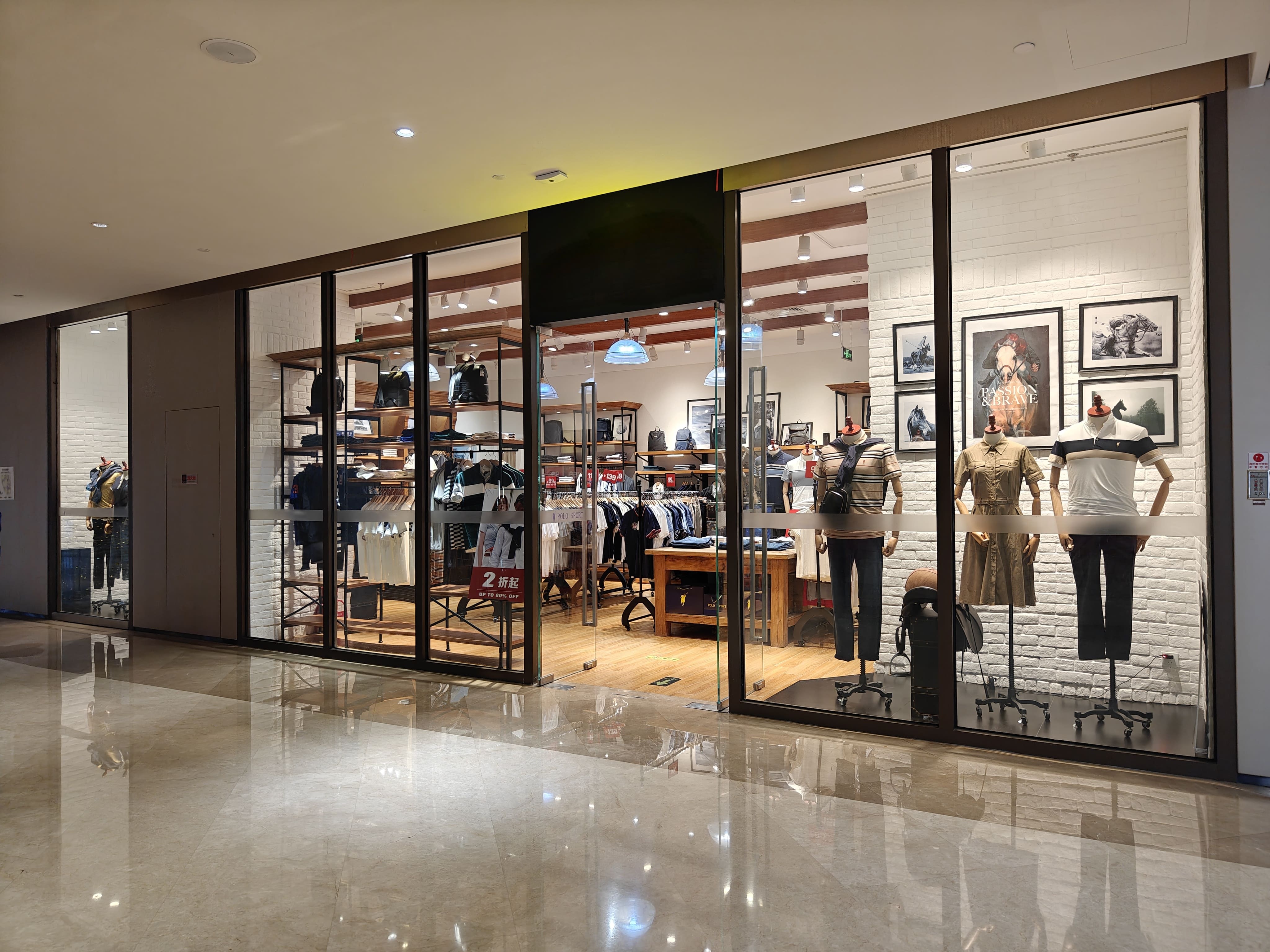

Architects frequently face the challenge of balancing natural light with stringent safety regulations. Modern building designs favor expansive transparent surfaces to improve occupant well-being and reduce energy costs. However, standard glazing shatters quickly under thermal stress, providing an avenue for oxygen to feed an active hazard.
Installing a certified Fire resistant window solves this architectural dilemma. These integrated units combine specialized panes with robust steel framing to maintain structural integrity during extreme conditions. They prevent hazardous elements from breaching the building envelope while still allowing sunlight to penetrate deep into commercial spaces. Because the framing and the pane are tested as a single assembly, the entire unit performs reliably under pressure.
Proper containment requires a complete system approach throughout the facility. Corridors and stairwells demand reliable mechanisms for access and egress, as these zones experience the highest foot traffic during daily operations and emergencies. A highly rated glass pane will fail if the surrounding entryway buckles or warps under intense heat.
To maintain building compartmentalization, developers rely on a heavy-duty Fire resistant door. These specialized entryways provide necessary access without compromising the perimeter's thermal rating. When equipped with automated closing mechanisms, they seal off danger zones immediately upon alarm activation. This blocks toxic smoke from entering safe zones, securing the primary pathways used by emergency responders and evacuating personnel.
Selecting the right supplier is just as important as choosing the correct thermal rating. High-quality production facilities utilize advanced testing equipment to ensure every pane meets strict regulatory standards. For instance, Heshan Hengbao operates a modern industrial workshop covering over 65,000 square meters, providing the scale necessary for meticulous quality control.
Organizations must look for suppliers with recognized authority certifications. Heshan Hengbao holds over 74 national CCCF main product certificates and maintains both ISO9001 and ISO14001 system certifications. These credentials verify that the manufacturing processes adhere to the highest occupational health, safety, and environmental management standards. Choose a manufacturer with a proven track record to ensure your building materials will perform flawlessly when it matters most.
Upgrading your commercial property requires careful planning and expert consultation. Start by auditing your current floor plan to identify high-risk zones and primary evacuation routes. Next, consult local building authorities to confirm the specific time ratings required for your jurisdiction.
Partnering with an experienced manufacturer ensures that all components meet stringent national standards. Review your blueprints, select certified materials, and prioritize safety in your next construction phase. Taking these proactive steps protects your physical assets and secures the well-being of everyone inside your facility.
What is the difference between fire-protective and fire-resistive materials?
Fire-protective materials block smoke and flames but do not prevent radiant heat transfer. Fire-resistive materials block smoke, flames, and radiant heat, allowing people to safely pass by the area during an evacuation. Choose fire-resistive options if the installation spans a large area near a primary exit route.
How long does installation typically take for commercial projects?
Installation timelines depend on the project scale and material availability. Standard interior partitions can be installed in a few days, while comprehensive exterior overhauls may require several weeks. Always coordinate with your supplier early in the design phase to avoid construction delays.
Do these specialized materials require routine maintenance?
Yes. Facility managers should conduct annual inspections to ensure seals remain intact and frames show no signs of structural damage. Promptly replace any pane that develops deep scratches or cracks, as physical damage severely compromises the designated thermal rating.
Can specialized protective glass be customized for specific designs?
Yes. Modern manufacturing capabilities allow for significant customization. Suppliers offer various sizes, colors, and material finishes to match specific architectural aesthetics without voiding the necessary safety certifications.


