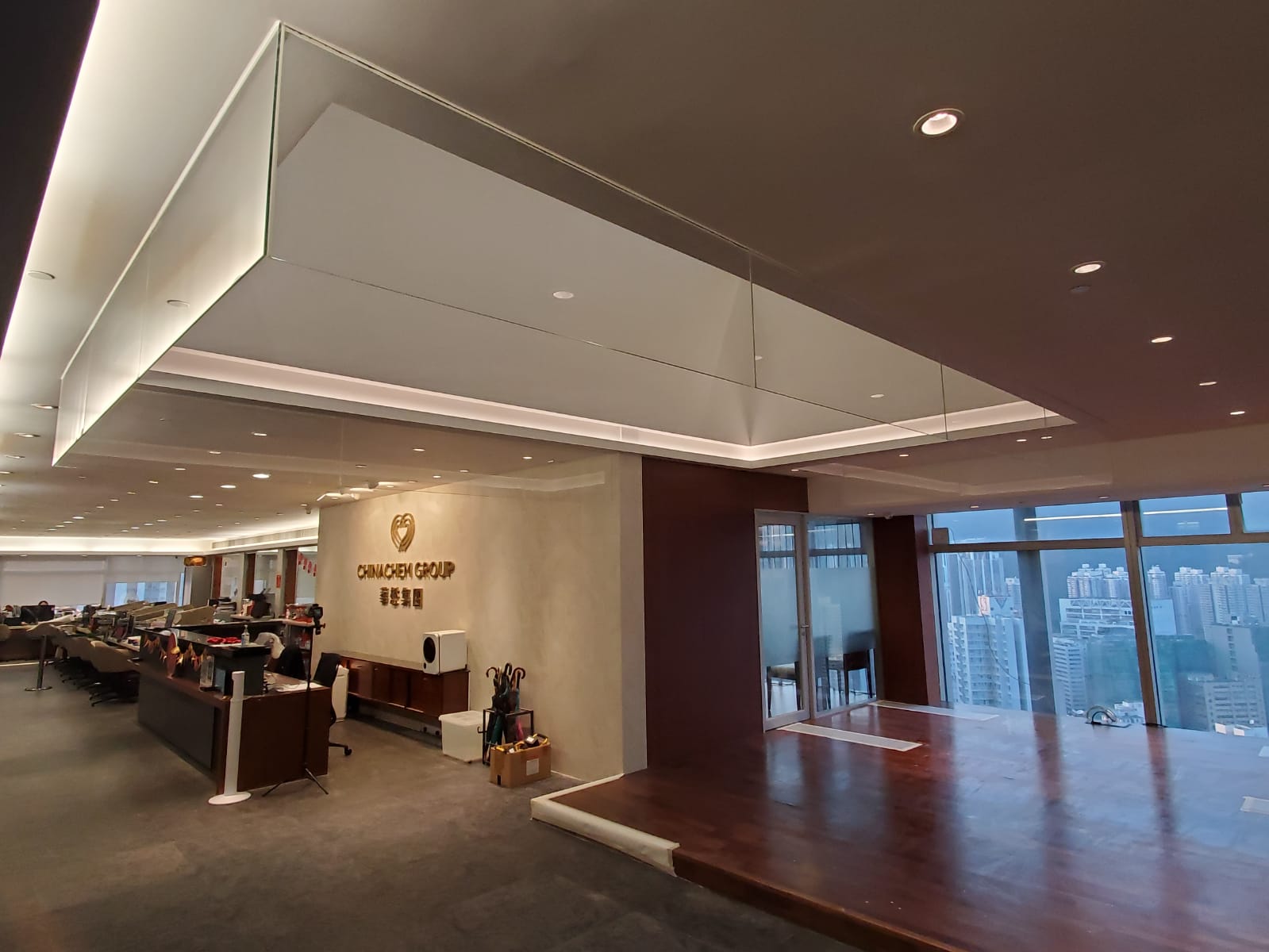
2026-07-15 TL;DR: Safety glass is a broad category of glass engineered to resist breakage, minimize injury, and—in fire-critical applications—contain flames and smoke for defined periods. Key types include tempered glass, laminated glass, and fire rated glass. Hengbao, backed by 28+ years of manufacturing expe
Read More 
2026-07-08 Quick answer: Every commercial building faces the same tension: how to keep spaces open, bright, and inviting—while ensuring they're safe enough to protect everyone inside during an emergency. That's where specialized protective glazing, including fire rated glass, comes in. It acts as a vital barri
Read More 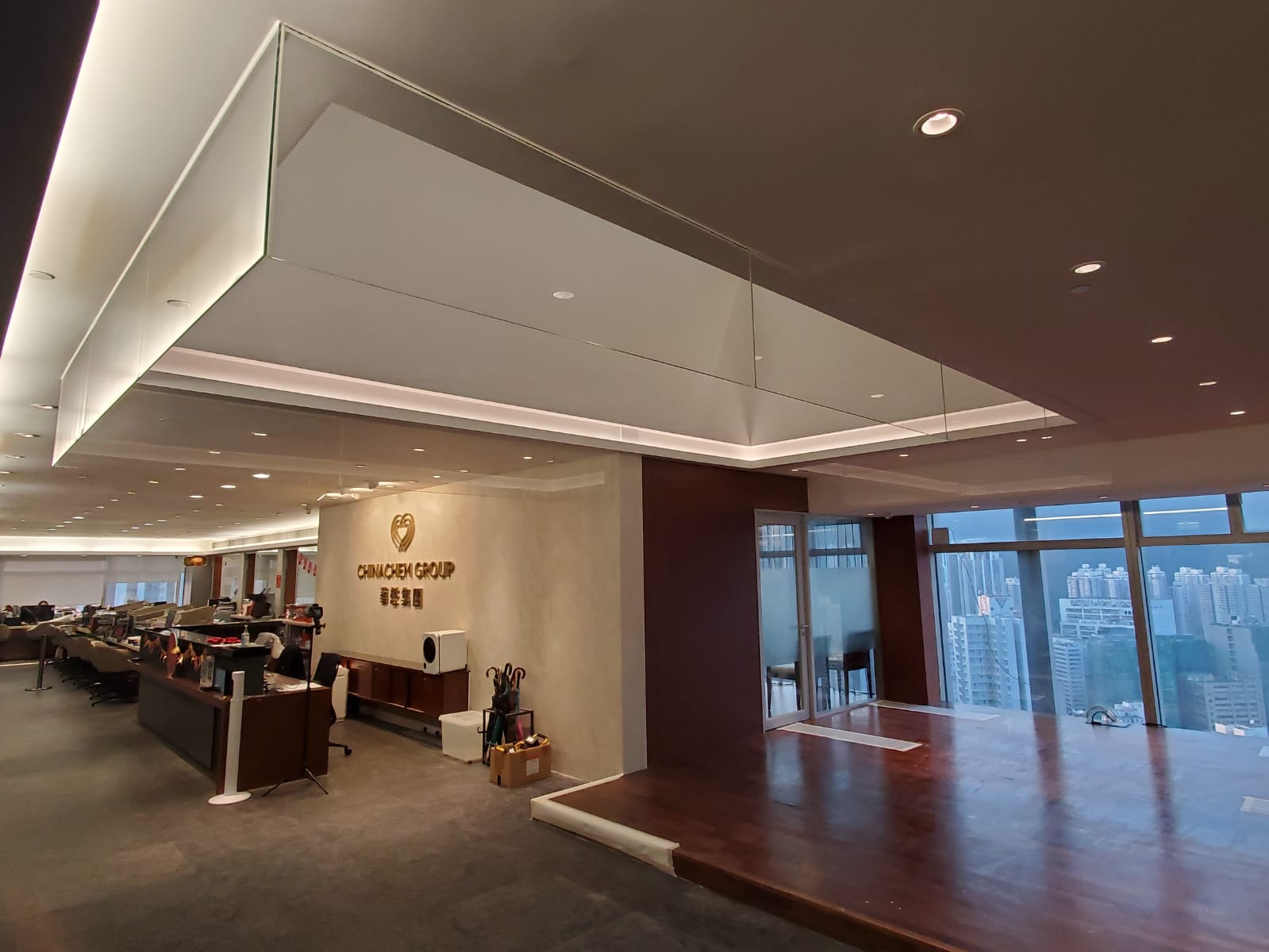
2026-07-03 TL;DR: Flame resistant glass is a specialized glazing material engineered to prevent fire spread, block toxic smoke, and protect building occupants for defined periods—typically 30, 60, or 120 minutes. Modern solutions like insulating fire-rated glazing and hybrid smoke control systems deliver both
Read More 2026-06-24 Quick answer: Borosilicate glass is a heat-resistant glass made with boron trioxide, giving it a very low thermal expansion rate. This lets it withstand sudden temperature changes and high heat without cracking. In construction, it forms the core of many fire-rated glazing systems, making it a top c
Read More 
2026-06-18 TL;DR: Fire-resistant glazing is a specialized glass system engineered to contain fire and smoke for defined time periods—typically 30 to 120 minutes. It combines materials like safety glass and laminated interlayers to meet strict building codes, making it a critical component in commercial, instit
Read More 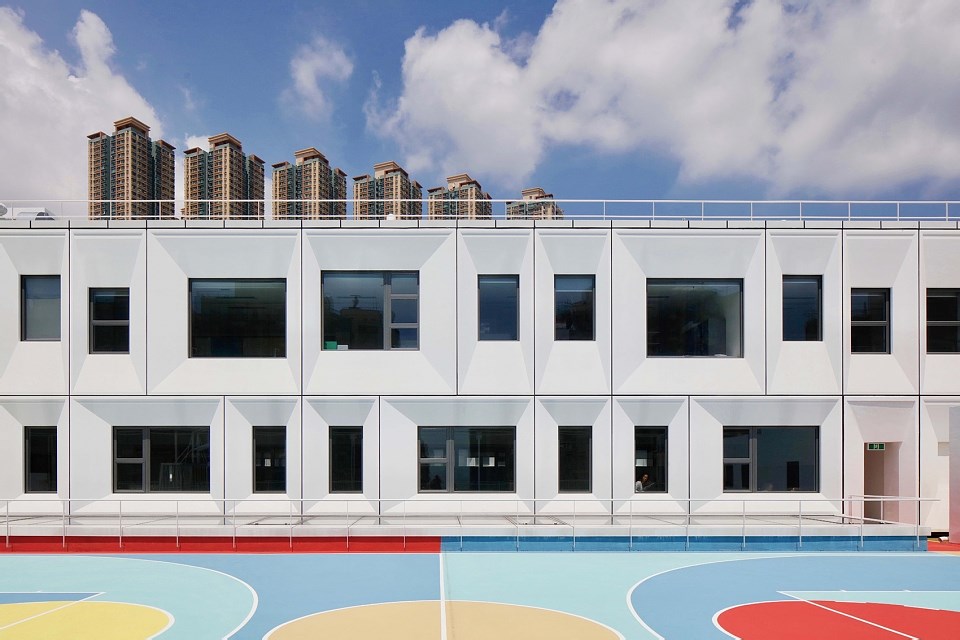
2026-06-10 TL;DR: Fire safety glass is a specialized glazing material engineered to contain fire, block radiant heat, and limit smoke spread for a defined period. Used in walls, windows, doors, and partitions, it plays a central role in modern building fire protection. Choosing the right type depends on the ap
Read More 
2026-05-07 In the landscape of modern urban architecture, the density of high-rise structures and complex commercial hubs has made fire safety an absolute priority. Beyond traditional sprinkler systems and alarms, the passive fire protection (PFP) elements of a building—specifically the materials used in parti
Read More 2026-06-04 Quick answer: Specialized protective glazing acts as a vital barrier against high temperatures, flames, and smoke. This material provides crucial evacuation time during emergencies while allowing natural light to flow through commercial spaces. Choosing the right protective panels ensures strict adh
Read More 

